Key points
- Polyps, submucosal fibroids, adhesions, septum, caesarean niche, retained tissue, IUD: treated through the natural route.
- Minor procedures in the consulting room, no anaesthesia; others in theatre, under anaesthesia, as a day case.
- 15 to 45 minute procedure, home the same day, back to activity within 24 to 48 hours.
- Removed tissue is always analysed; the result is explained at a consultation.
Contents
What is operative hysteroscopy?
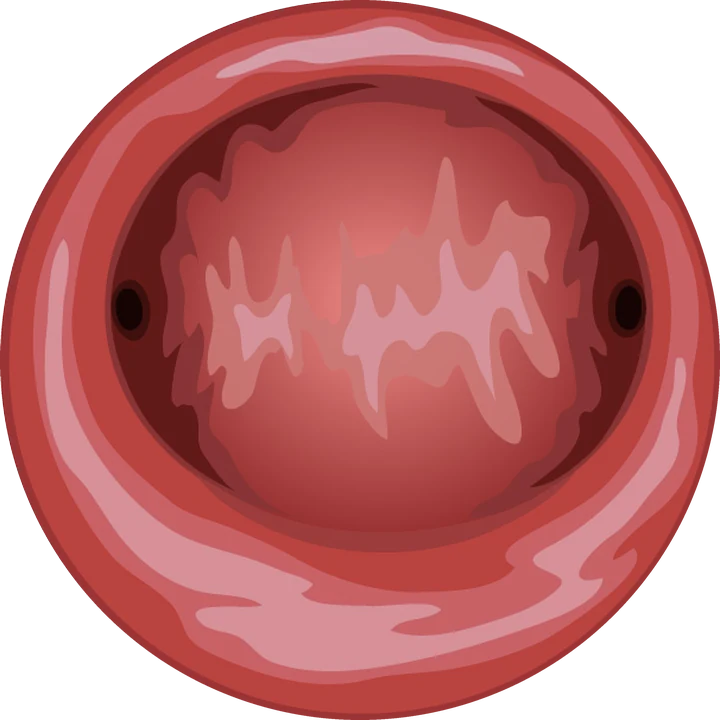
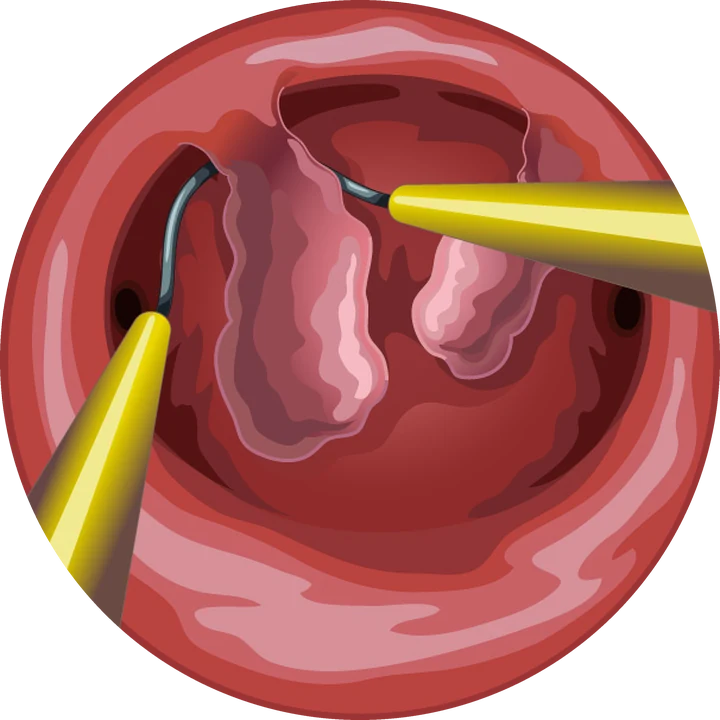
Like diagnostic hysteroscopy, it goes through the vagina and the cervix, with no incision and no scar. The operative hysteroscope carries instruments: micro-scissors, grasping forceps, a bipolar resectoscope or a hysteroscopic morcellator.
It usually follows an ultrasound and a diagnostic hysteroscopy that have defined the lesion, its size and its position.
Which lesions does it treat?
Each lesion has its own detailed page: symptoms, tests, technique and recovery.
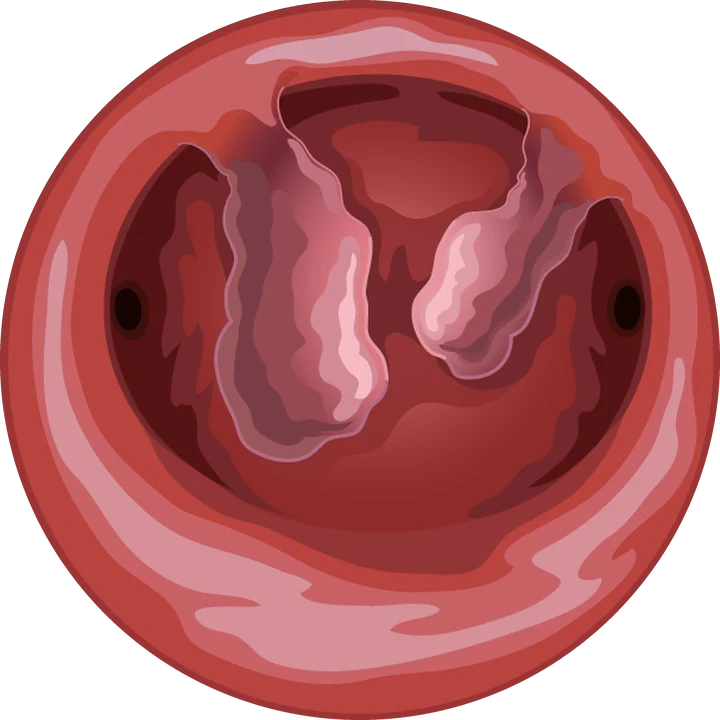
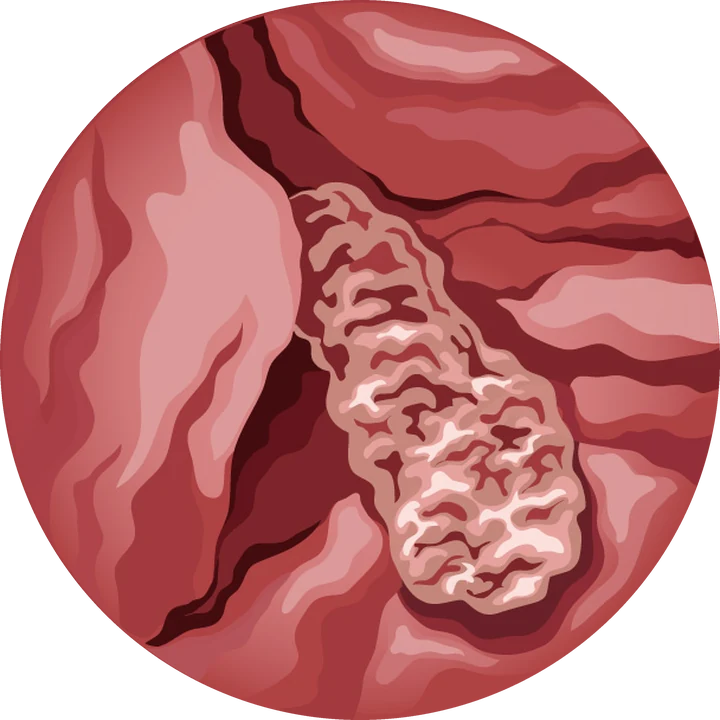
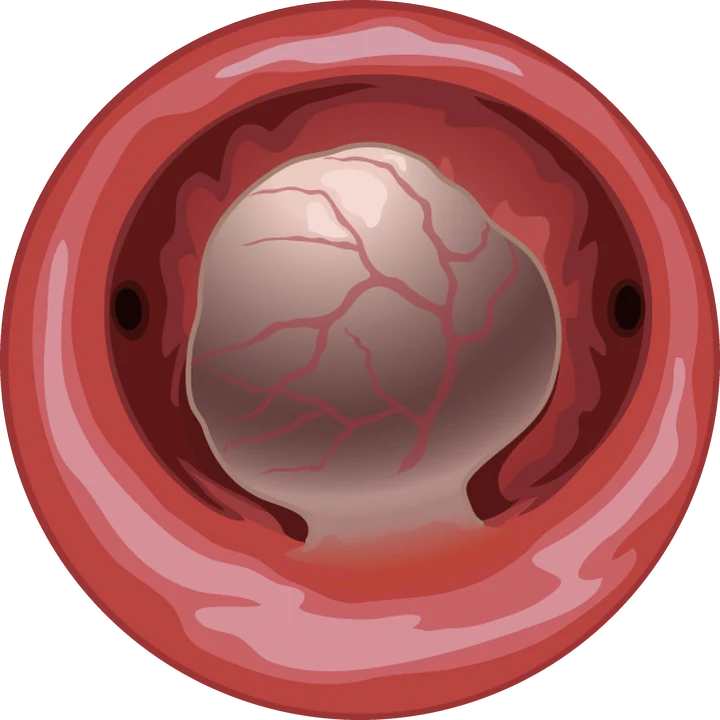
- Endometrial polyp: A common lesion, benign in the vast majority of cases, mainly after 40.
- Submucosal fibroid: A benign tumour of the uterine muscle, growing towards the cavity.
- Caesarean niche: A defect in the caesarean scar, common on ultrasound, causing symptoms in a minority of women.
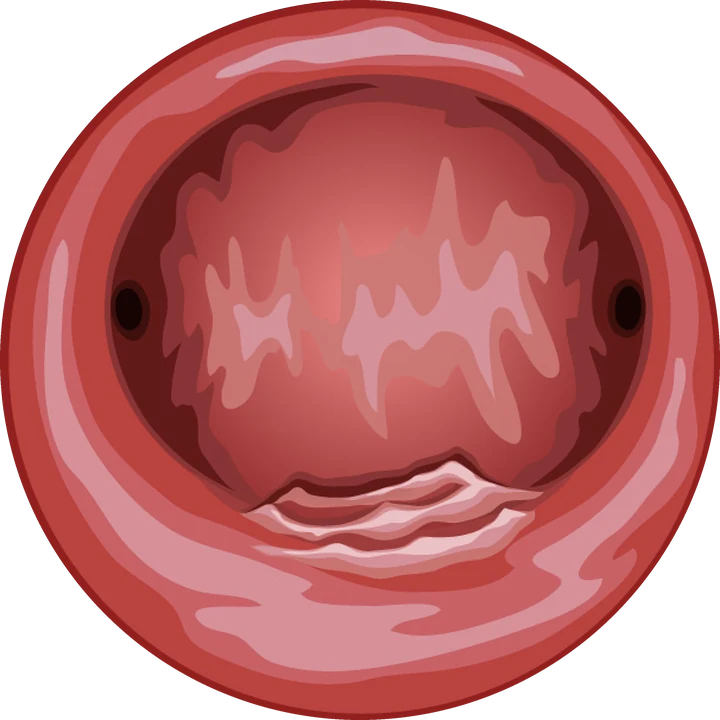
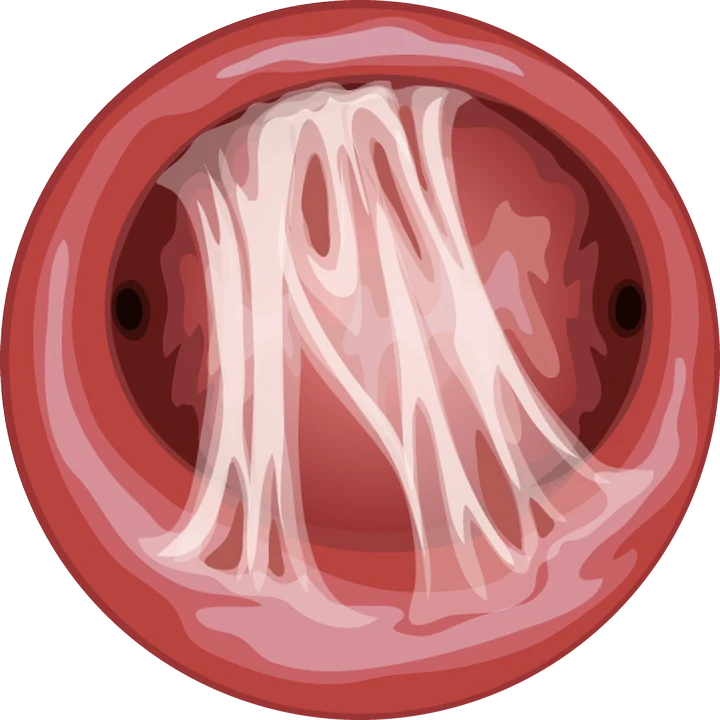
- Intrauterine adhesions: Adhesions inside the uterus, most often after a curettage, especially following a pregnancy.
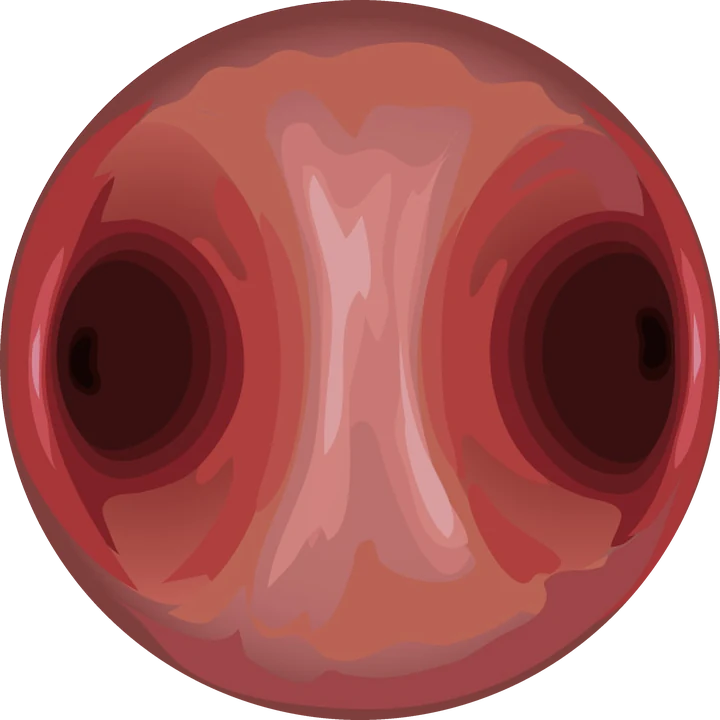
- Septum and malformations: Malformations present from birth, classified by the ESHRE/ESGE consensus.
- Endometrial ablation: Treatment for heavy periods without a structural cause, after medical treatment fails or is declined.
- Retained tissue: Pregnancy tissue left in the uterus after a miscarriage, a termination or a birth.
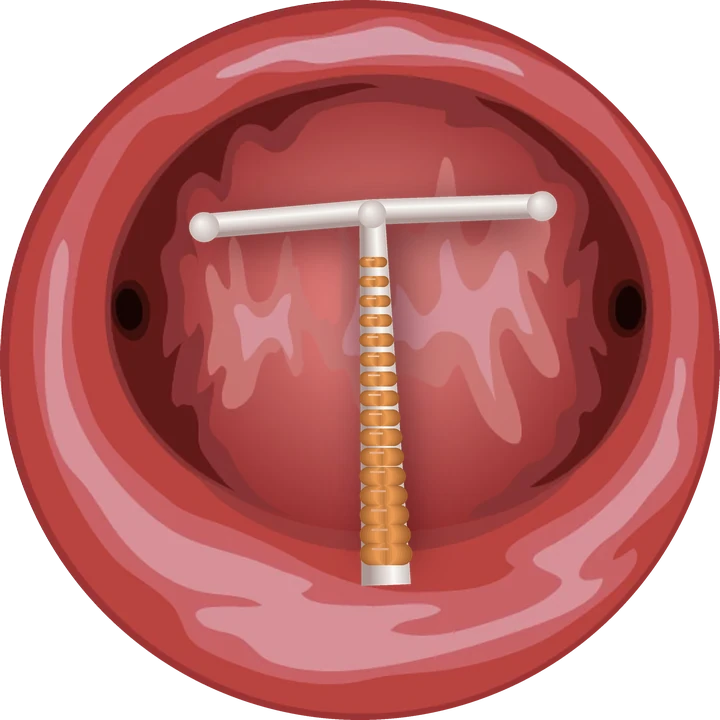
- IUD with missing threads: Threads that cannot be seen do not mean the IUD is lost: it is usually inside the uterus.
In the consulting room or in theatre?
| Situation | Setting | Anaesthesia |
|---|---|---|
| Small polyp, IUD with threads not visible | Consulting room | Usually none |
| Large or multiple polyps, submucosal fibroid, septum, caesarean niche, extensive adhesions | Theatre, day case | General or regional |
The setting is chosen at the consultation, according to the lesion, its size and how well you tolerate the procedure.
Before the procedure
A consultation sets out the reason for the procedure, the expected benefits and the alternatives. When the procedure is done in theatre, an anaesthetic consultation is arranged and fasting follows its advice. The procedure is scheduled in the first half of the cycle.
How is the procedure done?
The procedure takes 15 to 45 minutes depending on what is done, under general or regional anaesthesia. The cavity is opened with saline, and the volume of fluid used is monitored throughout. Removed tissue is sent to the laboratory for analysis. You go home the same day.
After the procedure
Light bleeding is possible for a few days; most women are back to their activities within 24 to 48 hours. Baths, swimming and intercourse are best avoided for about a week, depending on the procedure. The laboratory result is explained at a consultation.
Seek advice promptly in case of fever, increasing pain or heavy bleeding.
What are the risks?
Complications are rare: bleeding, infection, perforation of the uterus, excessive absorption of fluid into the circulation (prevented by monitoring the fluid balance), adhesions in the cavity. They are discussed with you beforehand, according to the planned procedure.
Where is the procedure done?
Consultations take place at 107 avenue Victor Hugo (Paris 16th) and at the Centre de la Femme, 11 rue Lacépède (Paris 5th). Procedures are done as day cases at Clinique de la Muette (Paris 16th), Hôpital privé Geoffroy Saint-Hilaire (Paris 5th), Clinique Sainte-Thérèse (Paris 17th) and Hôpital Ambroise Paré (Neuilly).
In France, operative hysteroscopy is a listed CCAM procedure reimbursed by national health insurance. Dr Kadoch is contracted in sector 2 with free fees (not OPTAM), so extra fees may apply. International patients should check with their insurer.
Frequently asked questions
Do I need a general anaesthetic?
Not always. Minor procedures, such as removing a small polyp or an IUD, are often done in the consulting room without anaesthesia. Others are done in theatre, under general or regional anaesthesia, as a day case.
Do I need to stay in hospital?
No. The procedure is done as a day case: you go home the same day.
When can I go back to work?
Usually 24 to 48 hours after the procedure, depending on what was done and on your work.
Can I get pregnant after operative hysteroscopy?
Yes: the aim is often precisely to make the cavity favourable to pregnancy. How long to wait before trying depends on the procedure and is explained to you afterwards.
References
Written and reviewed by Dr Olivier Kadoch · 31 October 2026
This page is for information; it does not replace a consultation. Every situation is discussed individually.