Key points
- Adhesions inside the uterus, most often after a curettage, especially following a pregnancy.
- Signs: much lighter or absent periods, infertility, miscarriage.
- Hysteroscopy is the reference test for diagnosis and treatment.
- Division with scissors, then measures to stop adhesions reforming.
Contents
What are intrauterine adhesions?
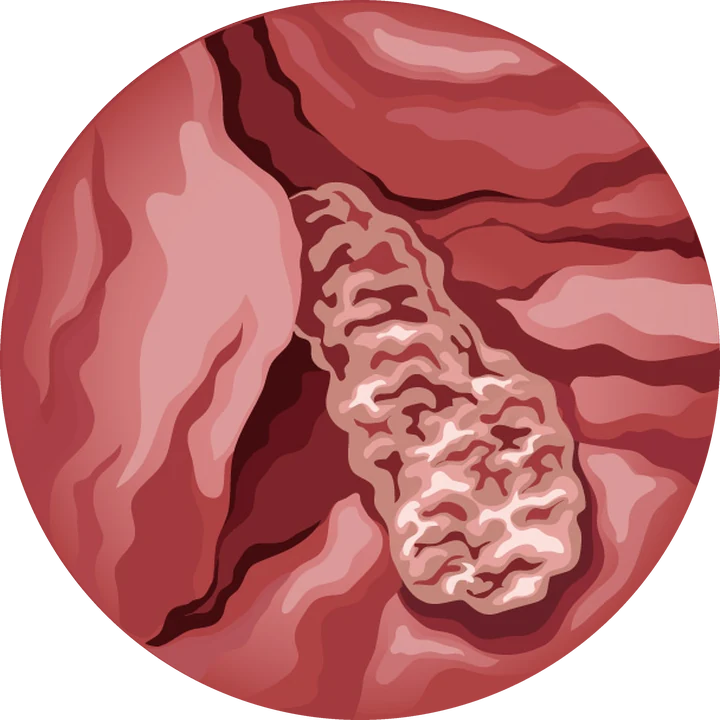
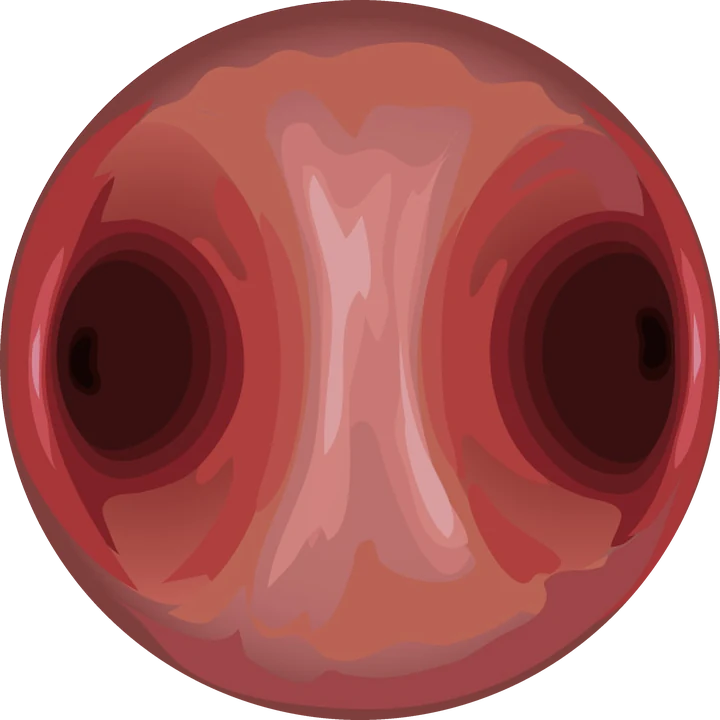
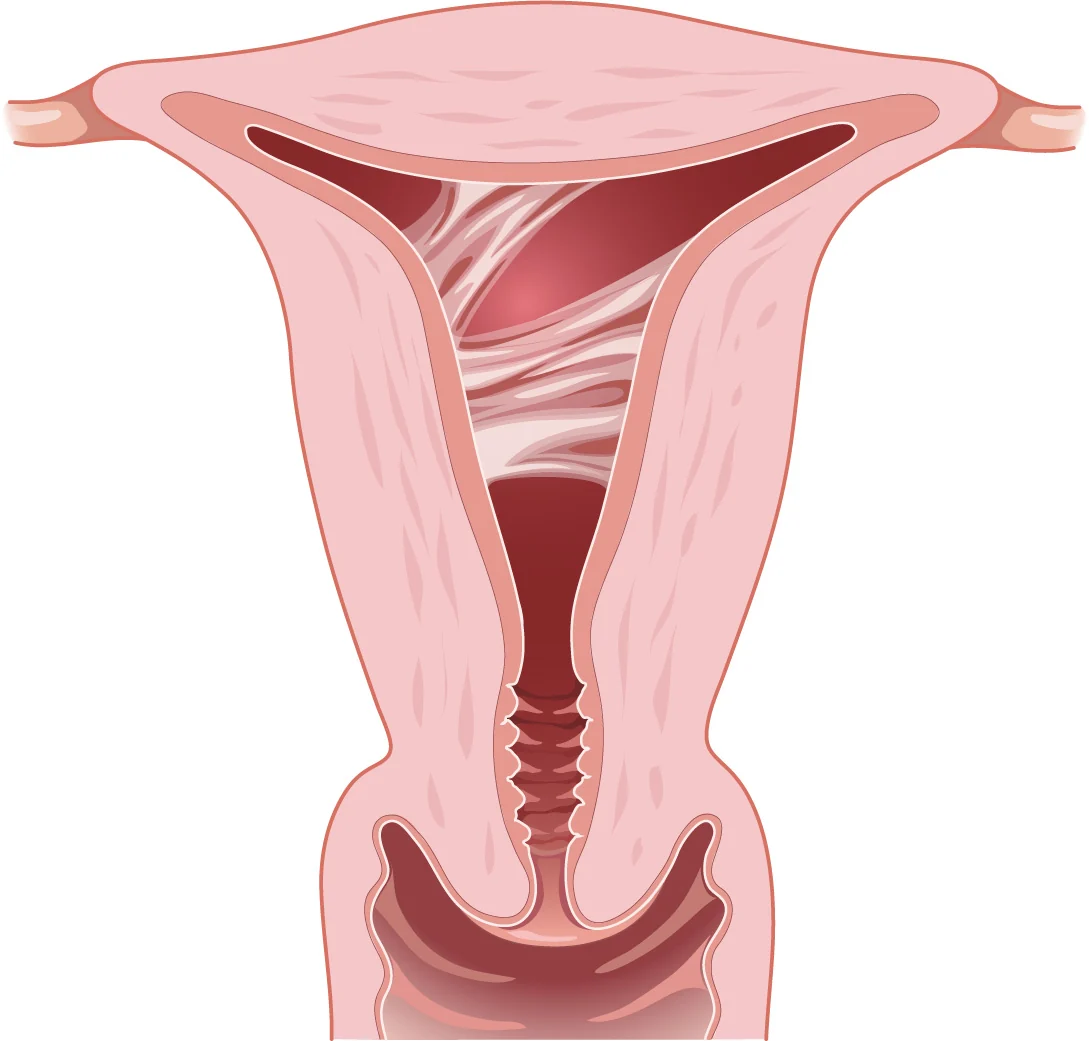
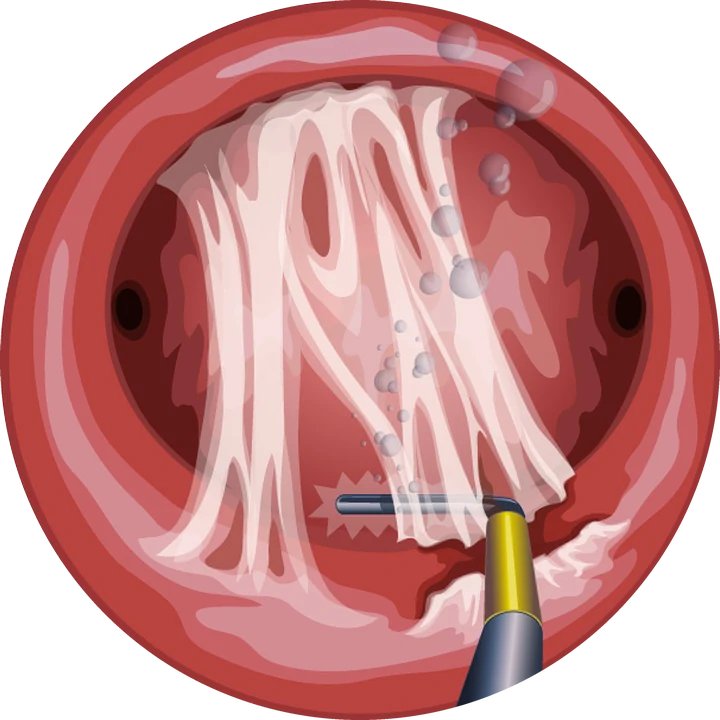
The endometrium regenerates each month from its deep layer. If that layer is damaged, the walls of the uterus can heal stuck together: these are adhesions. They range from a few thin strands to near-complete closure of the cavity, known as Asherman syndrome.
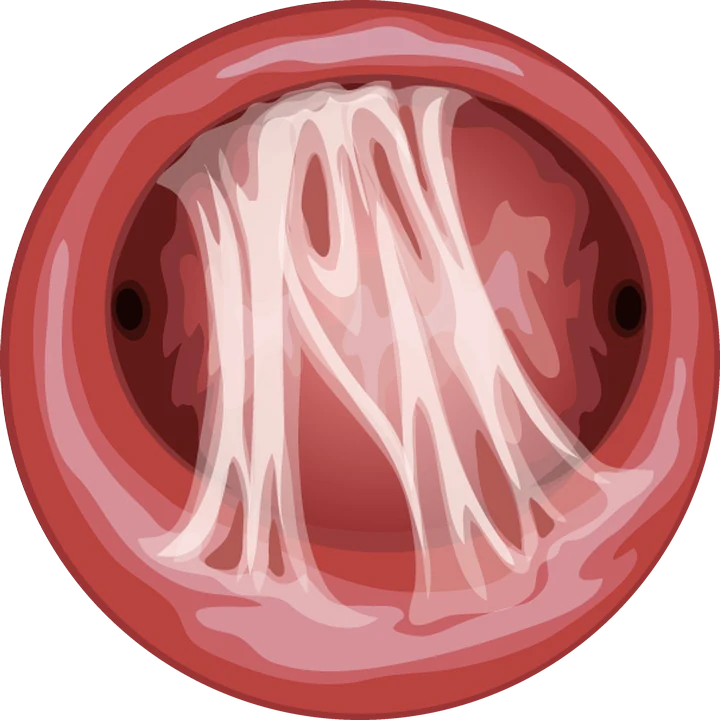
Hysteroscopic view · illustration
What causes them?
The main cause is curettage of a recently pregnant uterus: after a miscarriage, a termination or a delivery. A review of studies found adhesions in nearly one in five women after a miscarriage. Other causes are surgery on the cavity (myomectomy, resection), endometrial infection and, more rarely, genital tuberculosis.
Prevention means favouring, where possible, gentle aspiration or medical management of miscarriage rather than curettage.
What are the symptoms?
- much lighter periods, or no periods at all;
- period pain when blood is retained;
- infertility or recurrent miscarriage.
How are they diagnosed?
Hysteroscopy is the reference test: it shows the adhesions directly, their extent and whether they are thin or fibrous. It grades them using international classifications (AFS, ESGE), which guides the outlook. 3D ultrasound helps assess how much endometrium remains.
How are adhesions treated?
Adhesiolysis means dividing the adhesions under direct vision, preferably with micro-scissors, to preserve healthy endometrium. Thin adhesions can be freed in the consulting room; extensive ones are treated in theatre as a day case, sometimes under ultrasound guidance.
| Measure | Aim |
|---|---|
| Hyaluronic acid gel or balloon | Keep the walls apart while healing |
| Oestrogen therapy | Encourage regrowth of the endometrium |
| Early follow-up hysteroscopy | Divide any reforming adhesion early |
What are the chances of pregnancy?
The outlook depends mainly on the initial severity and the quality of the remaining endometrium. Mild adhesions have a good outlook; severe forms recur more often and sometimes need several procedures. A pregnancy after severe adhesions is closely monitored, because of a risk of abnormal placental attachment.
Frequently asked questions
Can adhesions go away on their own?
No. Established adhesions do not disappear spontaneously. Thin adhesions are easily freed by hysteroscopy.
Is treatment painful?
Thin adhesions are freed in the consulting room with moderate discomfort. Extensive ones are treated under anaesthesia as a day case.
How many procedures are needed?
One is often enough for mild forms. Severe forms may need one or more follow-up hysteroscopies.
How can adhesions be avoided after a miscarriage?
By favouring, where possible, medical treatment or gentle aspiration rather than curettage, and limiting repeated procedures in the cavity.
References
Written and reviewed by Dr Olivier Kadoch · 18 October 2026
This page is for information; it does not replace a consultation. Each situation is discussed individually.