Key points
- Any bleeding a year or more after the last period should be investigated.
- Most common causes: endometrial atrophy and polyps; cancer is found in about 9% of cases.
- An endometrium of 4 mm or less on ultrasound is very reassuring.
- Above that, or if bleeding persists: hysteroscopy with targeted biopsy.
Contents
Why must any bleeding be checked?
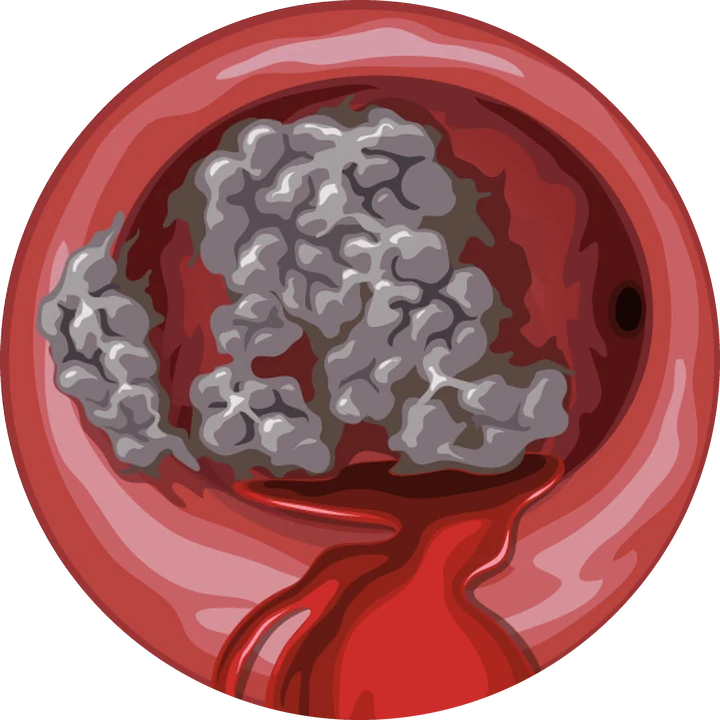
After the menopause the endometrium should no longer bleed, so bleeding is always a signal. A meta-analysis of more than 40,000 women found endometrial cancer in about 9% of those with postmenopausal bleeding. Conversely, nine times out of ten the cause is benign.
Bleeding is the first sign of most endometrial cancers: investigating early means diagnosis at an early stage, when cure is the rule.
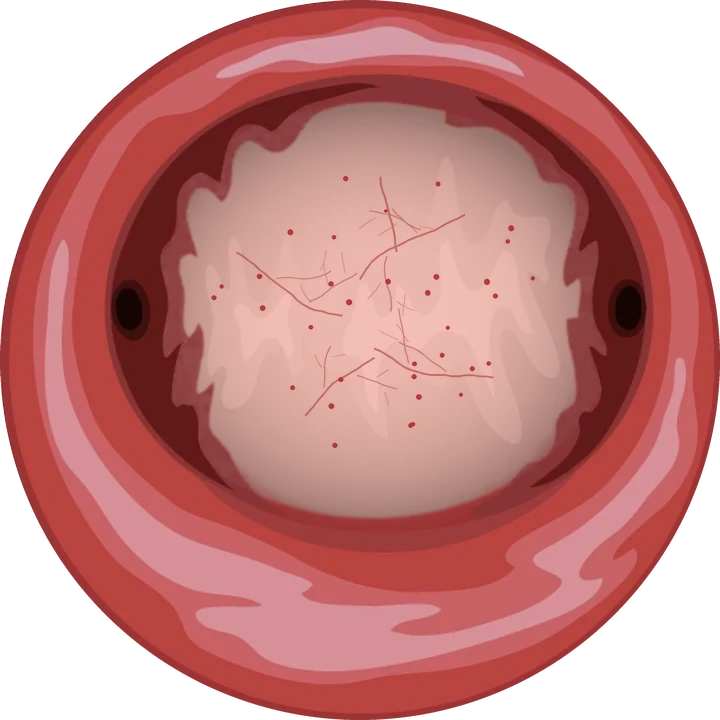
Hysteroscopic view · illustration
What are the causes?
| Cause | What to know |
|---|---|
| Endometrial atrophy | Most common cause: a thin, fragile lining that bleeds easily |
| Polyp | Common; removed and analysed after the menopause |
| Hyperplasia | Thickened endometrium; the atypical form is precancerous |
| Endometrial cancer | About 9% of postmenopausal bleeding |
| Hormone therapy | Bleeding possible in the first months; investigate if it persists |
Which tests?
Transvaginal ultrasound measures endometrial thickness. A thickness of 4 mm or less is very reassuring in a woman with postmenopausal bleeding: the risk of cancer is then very low. Above that, or if the endometrium is poorly seen, tissue sampling is needed.
Pipelle biopsy, done in clinic, samples the endometrium blindly. Hysteroscopy shows the cavity and samples the exact suspicious area: it is the test of choice when a focal lesion is suspected, or when bleeding continues despite a normal biopsy.
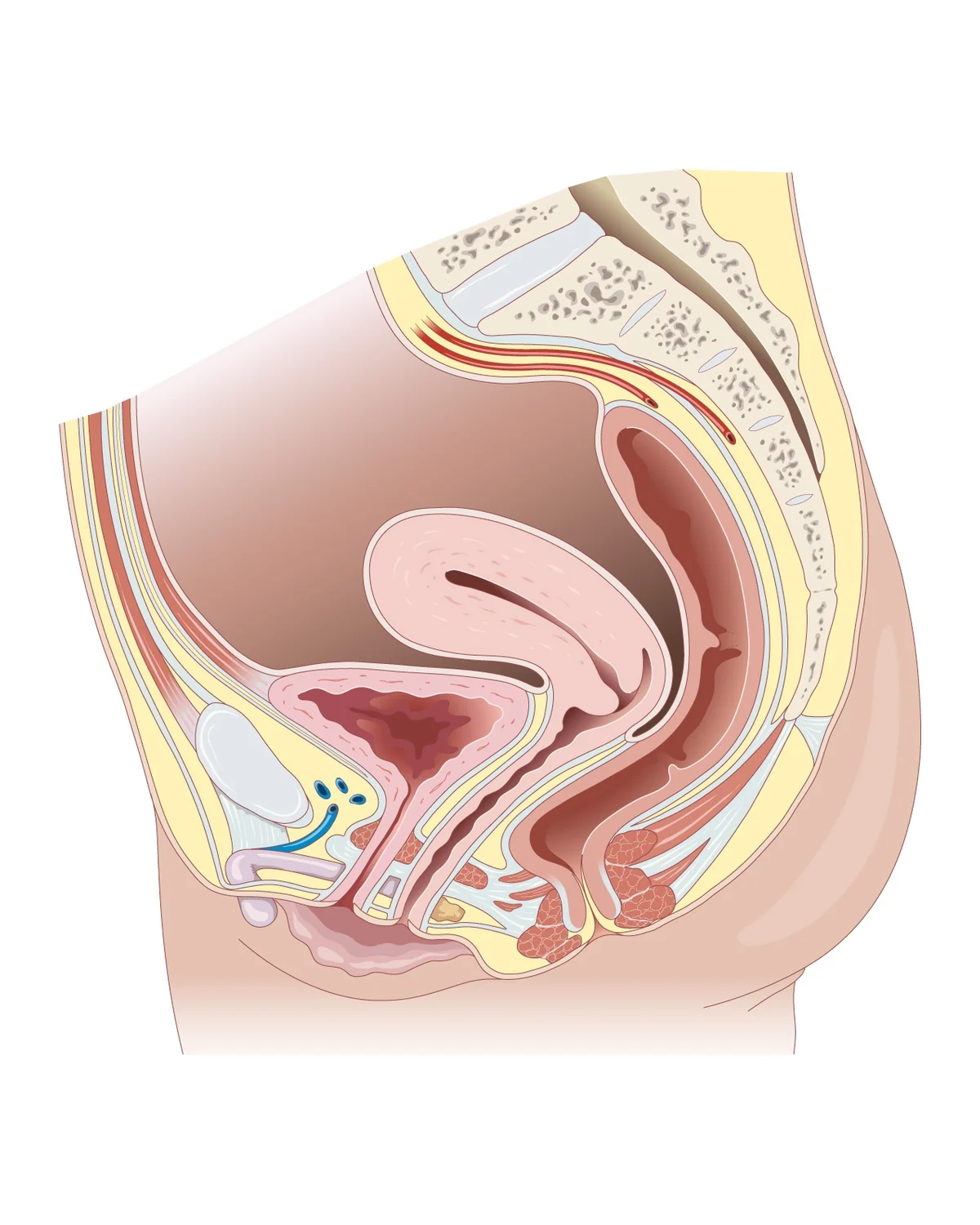
Hysteroscopy after the menopause
The examination is the same as before the menopause: in the consulting room, using a fine telescope and a speculum removed quickly. The cervix is sometimes narrowed by atrophy; local oestrogen for a few days beforehand can make entry easier. If the cervix stays closed, hysteroscopy is done in theatre under anaesthesia.
A polyp is removed at the same time and analysed. A suspicious area is biopsied under direct vision; results take about a week.
What if there is no bleeding?
A thick endometrium found by chance on ultrasound, with no bleeding, does not always require hysteroscopy: the threshold for investigation depends on thickness, appearance and your risk factors. On tamoxifen, routine ultrasound screening is not recommended without bleeding; any bleeding, however, must be investigated.
Frequently asked questions
Is a single episode of light bleeding after the menopause serious?
Usually not, but it must always be investigated, because it is the first sign of most endometrial cancers.
What does a 4 mm endometrium mean?
In a woman with postmenopausal bleeding, an endometrium of 4 mm or less on ultrasound is very reassuring. Above that, a sample is needed.
Is hysteroscopy harder after the menopause?
Sometimes, because the cervix may be narrowed. Local oestrogen helps; otherwise the examination is done under anaesthesia.
Can my hormone therapy cause bleeding?
Yes, especially in the first months. Bleeding that persists beyond six months or starts later should be investigated.
References
Written and reviewed by Dr Olivier Kadoch · 18 October 2026
This page is for information; it does not replace a consultation. Each situation is discussed individually.