Key points
- Treatment for heavy periods without a structural cause, after medical treatment fails or is declined.
- Only for women with no further plans for pregnancy; contraception is still needed.
- Two families of technique: hysteroscopic resection, or global ablation of the endometrium.
- A day-case procedure, much lighter than hysterectomy.
Contents
Who is endometrial resection for?
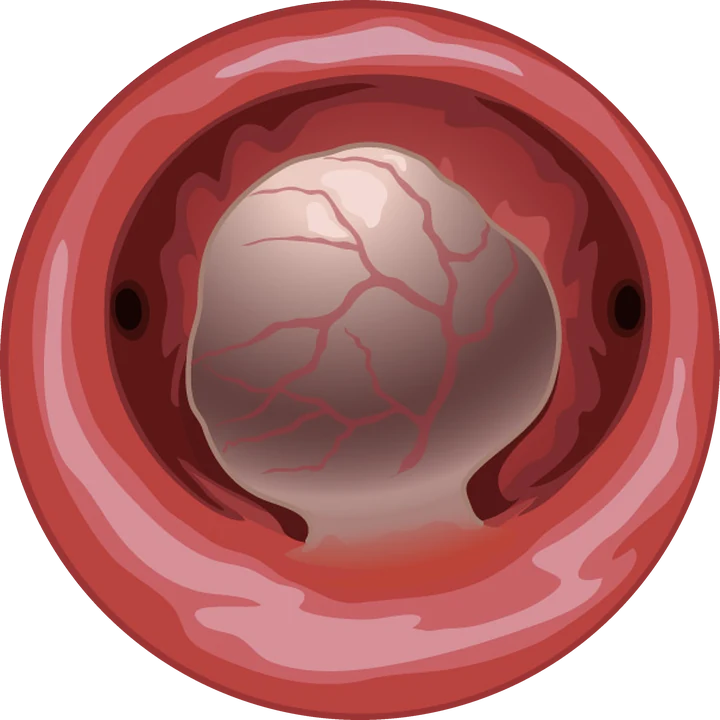
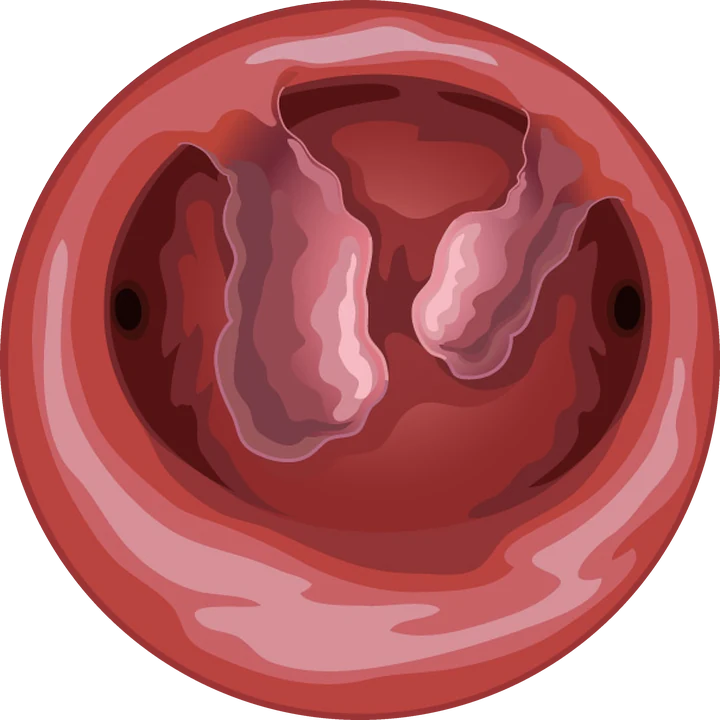
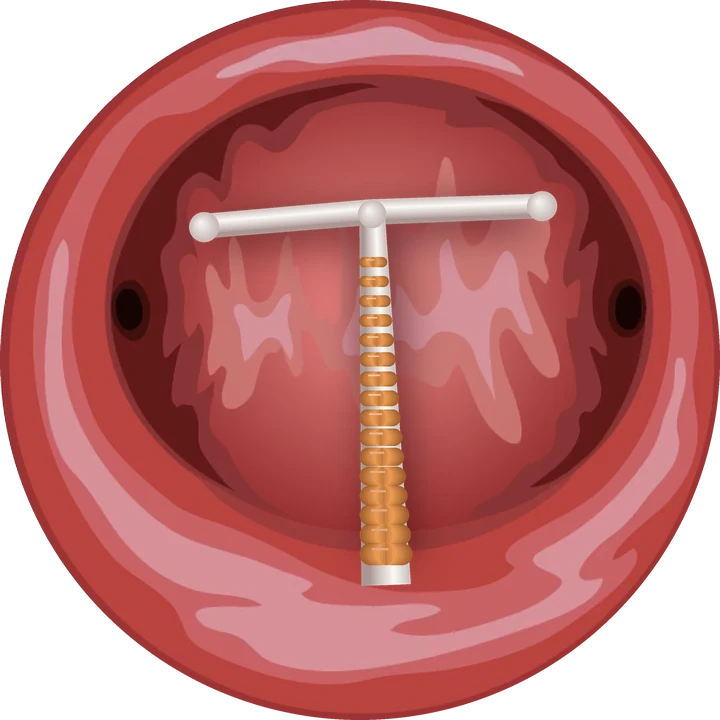
It is for women with very heavy periods, without a polyp, fibroid or endometrial lesion explaining the bleeding, who no longer wish to conceive. First-line treatment remains medical, most often the levonorgestrel hormonal IUD. Resection is offered if that fails, is poorly tolerated or is declined.
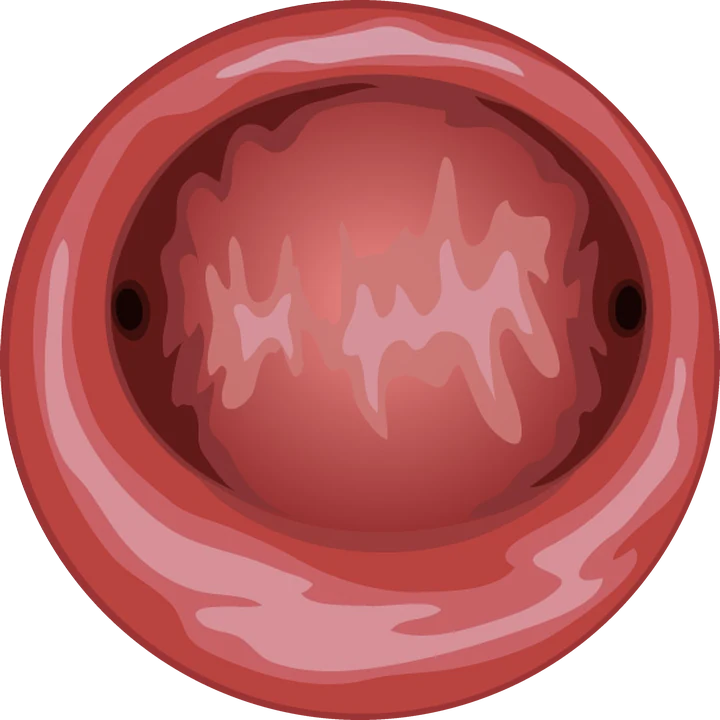
Hysteroscopic view · illustration
What tests come first?
- ultrasound and diagnostic hysteroscopy, to confirm there is no lesion in the cavity;
- an endometrial biopsy, to rule out a precancerous change;
- an up-to-date smear and blood tests, looking for anaemia or a bleeding disorder.
Significant adenomyosis (endometrium growing into the muscle) reduces the effectiveness of treatment; it is looked for on ultrasound or MRI.
Which techniques?
| Technique | Principle | Advantage |
|---|---|---|
| Hysteroscopic endometrial resection | Removal of the endometrium with a loop under direct vision | Also treats a small polyp or fibroid; tissue analysed |
| Global endometrial ablation | Destruction by radiofrequency or thermal balloon | Short, standardised procedure |
Both are day cases under anaesthesia, without any incision.
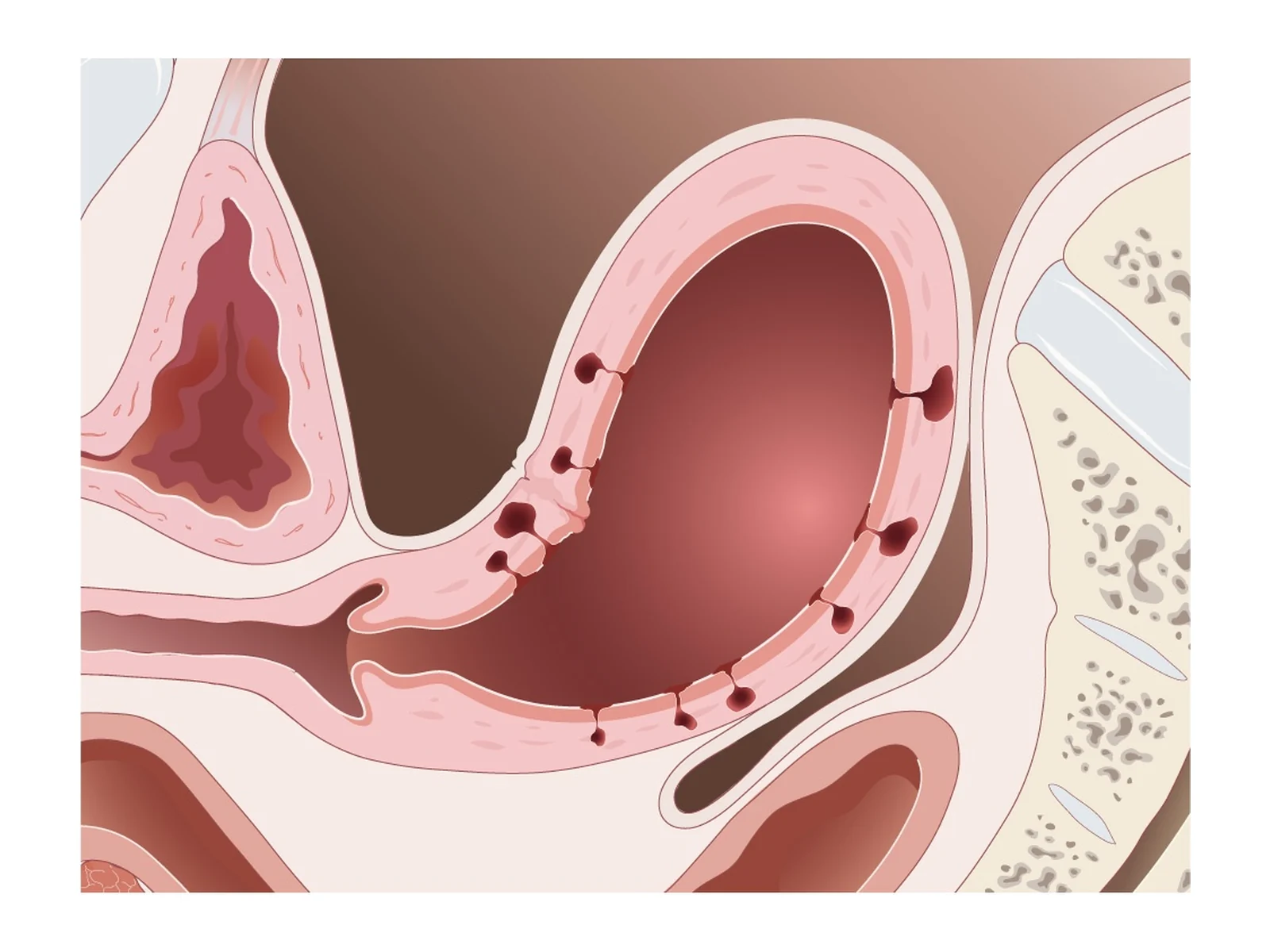
What results can I expect?
Bleeding falls markedly in the great majority of women, and periods stop completely in some. Cochrane reviews show high satisfaction, with much faster recovery than after hysterectomy. A repeat procedure, or even a hysterectomy, is sometimes needed in later years, especially with adenomyosis.
What you need to know
Endometrial ablation is not contraception. Pregnancy after ablation is rare but high-risk: reliable contraception is needed until the menopause. Recovery is simple: discharge for a few weeks, back to activity within 24 to 48 hours.
Frequently asked questions
Does endometrial ablation stop periods?
It greatly reduces them in the large majority of cases and stops them completely in some women.
Can I get pregnant after endometrial ablation?
It is rare but possible, and such a pregnancy would be high-risk. Contraception is needed until the menopause.
Is it an alternative to hysterectomy?
Yes, for heavy periods without a lesion. It is lighter, a day case, with quick recovery.
Does endometrial ablation bring on the menopause?
No. The ovaries are not affected: hormone function is unchanged.
References
Written and reviewed by Dr Olivier Kadoch · 18 October 2026
This page is for information; it does not replace a consultation. Each situation is discussed individually.