Key points
- The most common gynaecological cancer in France, mainly after age 50.
- First sign: bleeding after the menopause, or abnormal bleeding before it.
- Diagnosis by endometrial biopsy, ideally targeted under hysteroscopy.
- Standard treatment: minimally invasive surgery, decided at a multidisciplinary tumour board.
Contents
What is endometrial cancer?
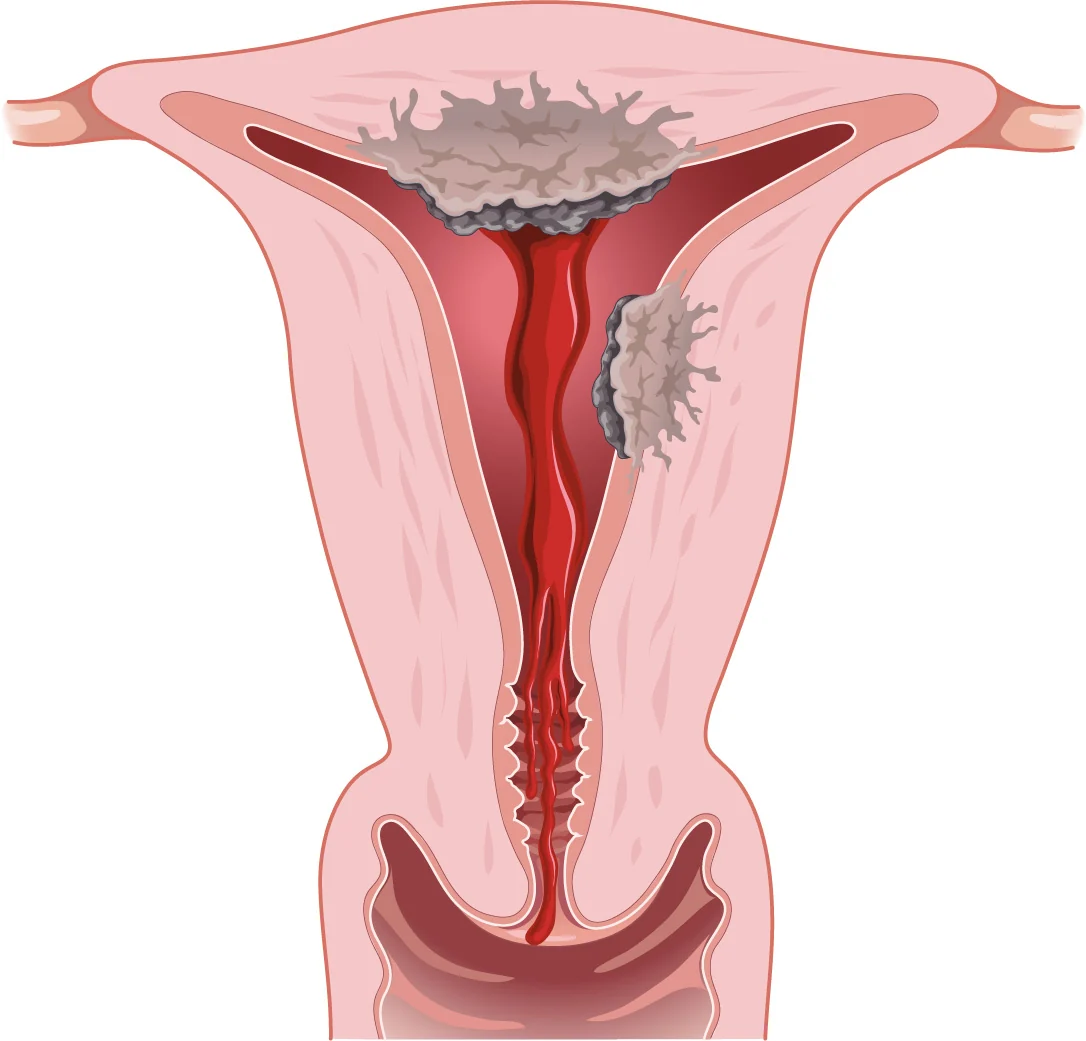
It is a cancer arising from the lining of the uterus. It mainly affects women after the menopause, with about 8,400 new cases diagnosed in France in 2023, at a median age of 71. Because it bleeds early, it is usually found while still confined to the uterus, when the outlook is good.
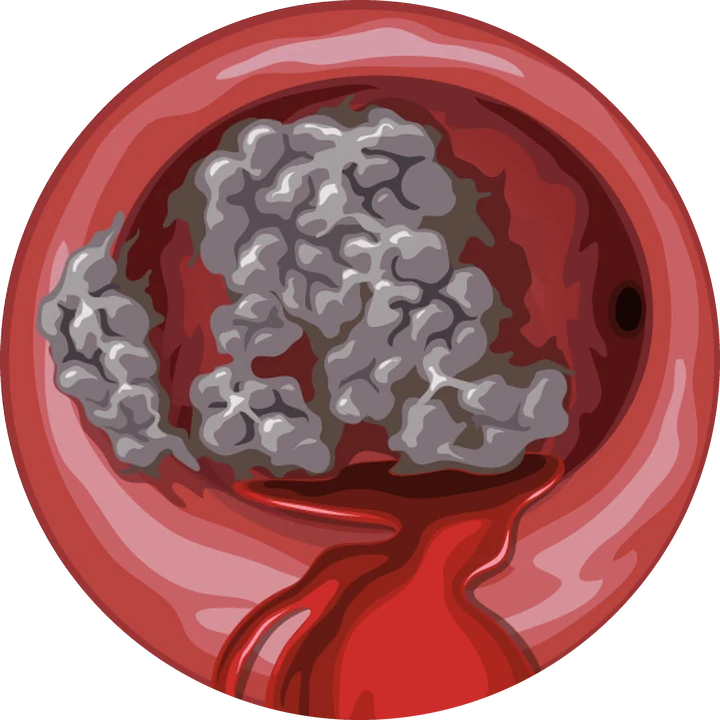
Hysteroscopic view · illustration
Who is most at risk?
- age, overweight and diabetes;
- long-term oestrogen exposure without a progestogen;
- tamoxifen, prescribed after breast cancer;
- Lynch syndrome, an inherited condition that also raises the risk of bowel cancer;
- never having been pregnant, early periods or late menopause.
Which signs should raise concern?
Bleeding after the menopause is the most common sign and should always be investigated. Before the menopause, bleeding between periods or a sudden change in periods, especially after 45 or with risk factors, also warrants assessment.
How does hysteroscopy help with diagnosis?
Ultrasound shows a thickened or irregular endometrium. Diagnosis rests on tissue analysis. Pipelle biopsy is simple, but it samples blindly and can miss a focal lesion. Hysteroscopy shows the appearance of the cavity (an irregular, friable lesion with abnormal vessels) and samples the suspicious area precisely.
The examination is done at low pressure. Studies have not shown that hysteroscopy worsens the outlook of endometrial cancer.
What tests follow the diagnosis?
| Test | Purpose |
|---|---|
| Pelvic MRI | Measure spread into the uterine muscle and cervix |
| Tumour molecular profiling | Classify the tumour (POLE, MMR, p53), now part of FIGO 2023 staging |
| Lynch syndrome testing | Identify an inherited form and protect relatives |
| Chest and abdominal CT | Depending on type and stage |
What is the treatment?
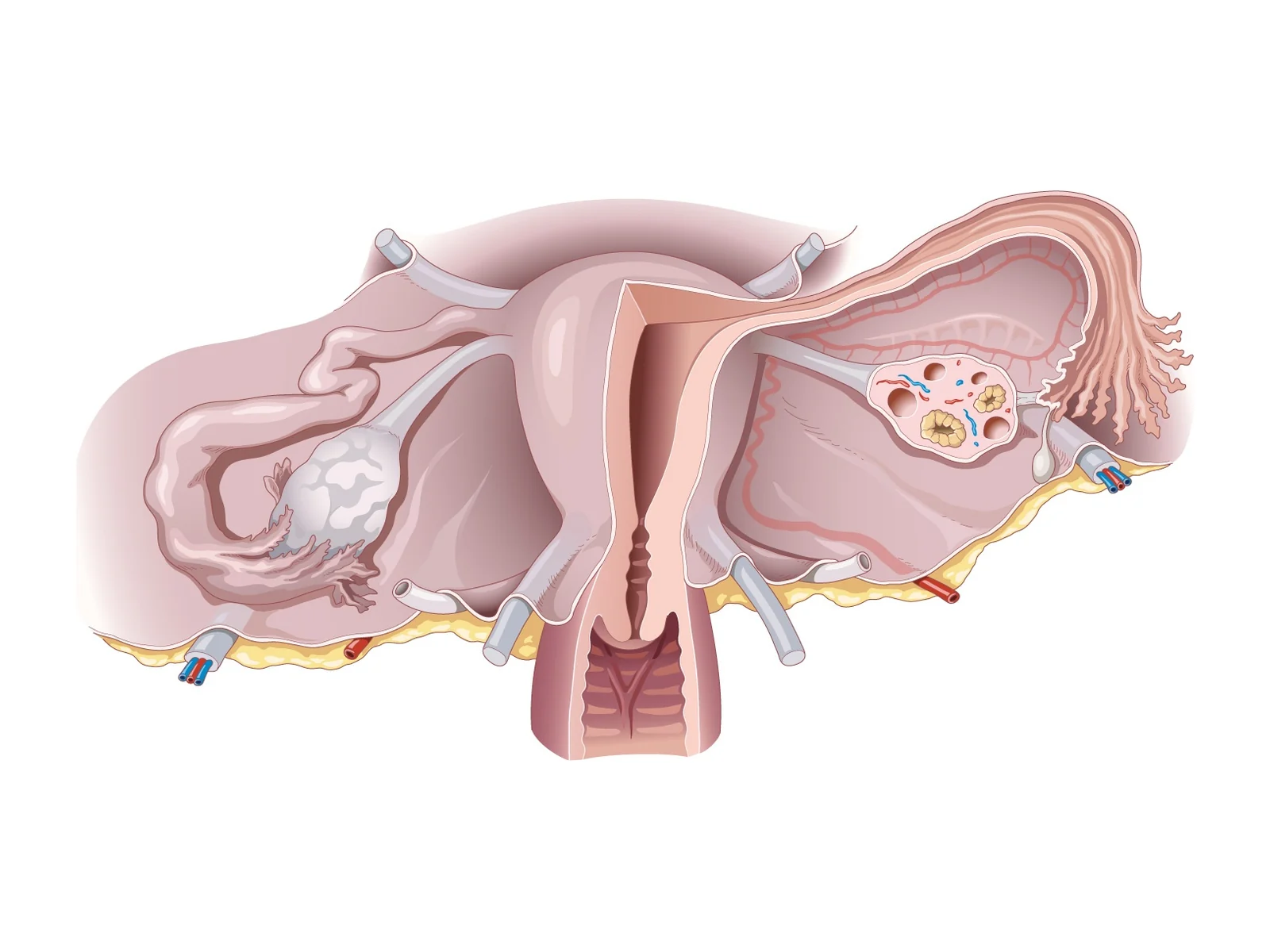
Every case is reviewed by a multidisciplinary tumour board of surgeons, oncologists, radiation oncologists and pathologists. Standard treatment is surgical: removal of the uterus, tubes and ovaries, usually by laparoscopy, with sentinel lymph node mapping to assess the nodes. Further treatment (brachytherapy, radiotherapy, chemotherapy) depends on stage and molecular profile.
In a young woman who wishes to conceive, a very early low-grade tumour can, in selected cases, be treated conservatively with hysteroscopic resection and progestogens under close surveillance, following the 2023 European guidelines.
What about atypical hyperplasia?
Atypical hyperplasia is a precancerous change in the endometrium. It is usually treated by hysterectomy; progestogen therapy, often with a hormonal IUD, is possible for women who wish to preserve fertility, with follow-up hysteroscopies and biopsies.
Frequently asked questions
Can endometrial cancer be cured?
Usually yes: found while confined to the uterus, which is the most common situation, it is cured in the large majority of cases.
Can hysteroscopy spread the cancer?
Studies have not shown a worse outlook. The examination is done at low pressure and gives a more precise diagnosis.
Does a smear test screen for endometrial cancer?
No. The smear test screens for cervical cancer. Endometrial cancer shows itself through bleeding, which must be investigated.
Can fertility be preserved?
In very selected cases (early, low-grade tumour, young woman), conservative treatment is possible under close surveillance, following the 2023 European guidelines.
References
Written and reviewed by Dr Olivier Kadoch · 18 October 2026
This page is for information; it does not replace a consultation. Each situation is discussed individually.