Paris 16th · Paris 5th
Hysteroscopy in Paris, in the consulting room, no anaesthesia
Dr Olivier Kadoch, obstetrician-gynaecologist with a gynaecological surgery practice, performs diagnostic hysteroscopy in about 10 minutes in his consulting room, and operative hysteroscopy as a day case: polyps, submucosal fibroids, adhesions, uterine septum, caesarean niche. Consultations in English.
- Accredited by the French National Authority for Health (HAS)
- Former Chief Resident, Paris University Hospitals
- Appointments timed to your cycle
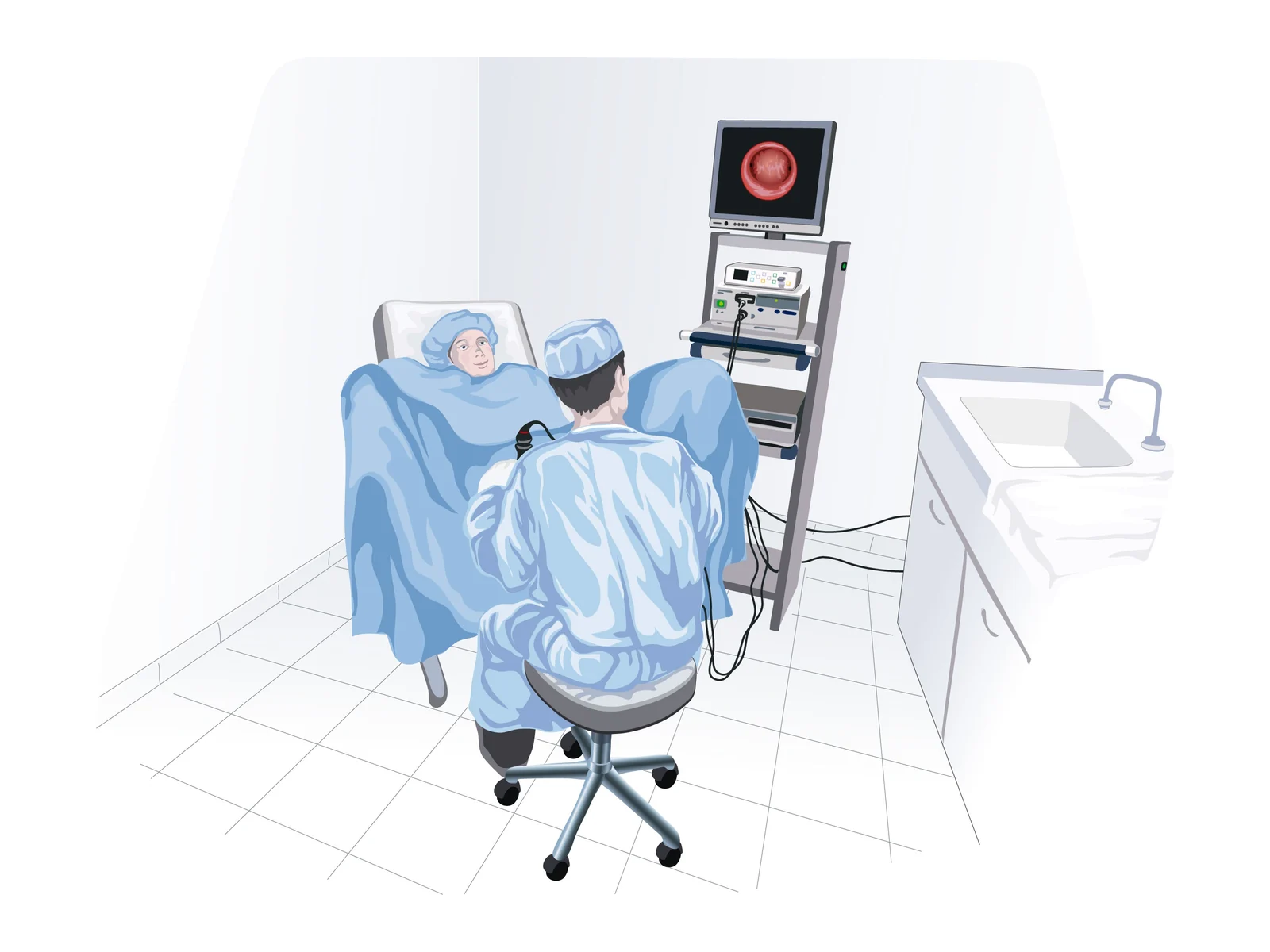
Diagnostic hysteroscopy10 minutes, in clinicSpeculum removed at once, usually no anaesthesia, result explained
Illustration: Guillaume Blanchet
2.9mmTelescope diameter
5–10minLength of the diagnostic examination
0Anaesthesia, fasting or hospital stay in clinic
D6–D12Best window in the cycle, after your period
24–48hBack to activity after operative hysteroscopy
Why you might need one
Find your situation
Sixteen detailed pages, written and reviewed by Dr Kadoch: symptoms, tests, treatment, recovery.
Care pathways
Situations where hysteroscopy guides the diagnosis
Fertility and IVF
Useful when ultrasound shows an abnormality, after implantation failure, or after a curettage or caesarean section.
Read the page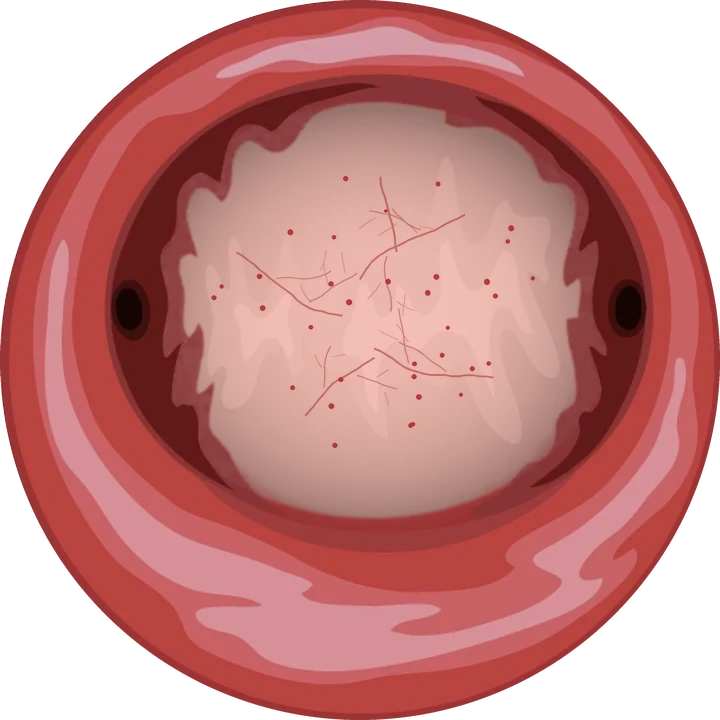
Menopause
Any bleeding a year or more after the last period should be investigated.
Read the page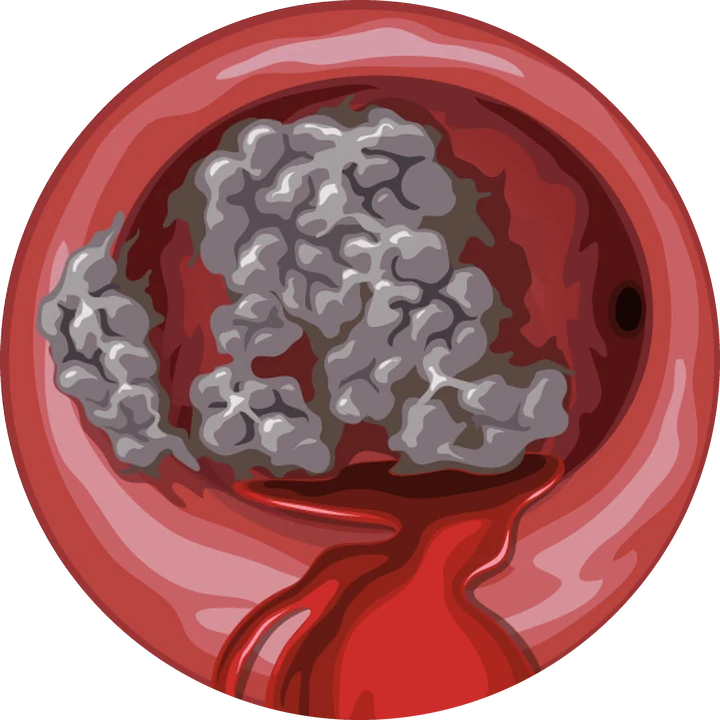
Endometrial cancer
The most common gynaecological cancer in France, mainly after age 50.
Read the page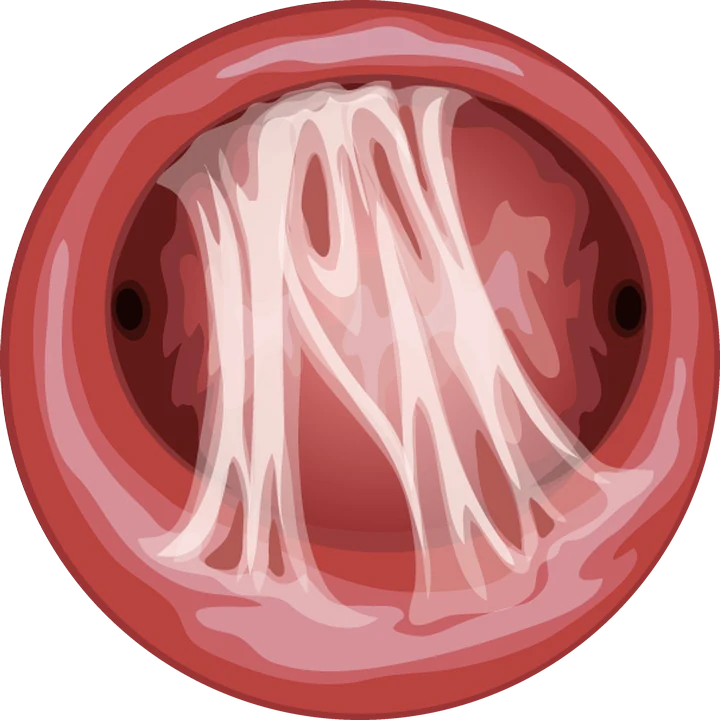
Miscarriage
A single miscarriage does not usually call for hysteroscopy.
Read the page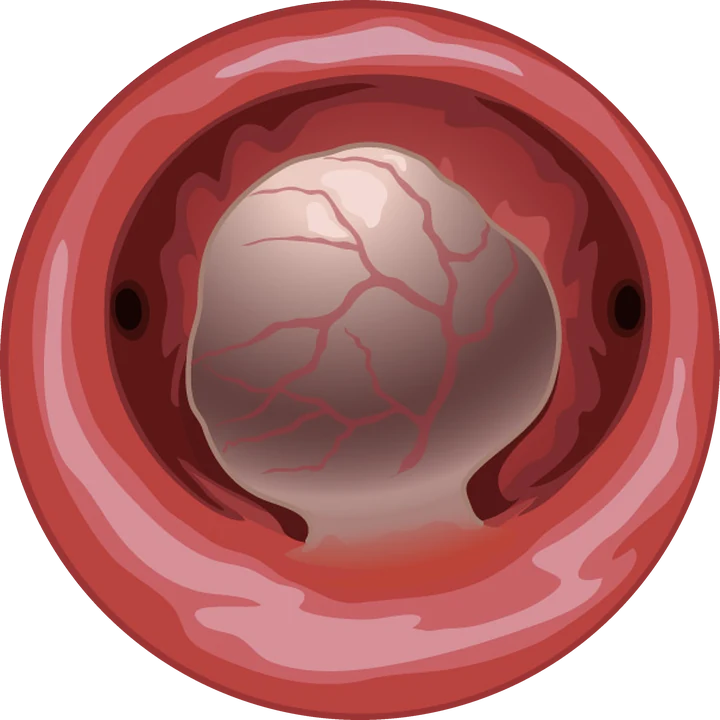
Heavy periods
Periods are heavy when they affect daily life, whatever the measured volume.
Read the page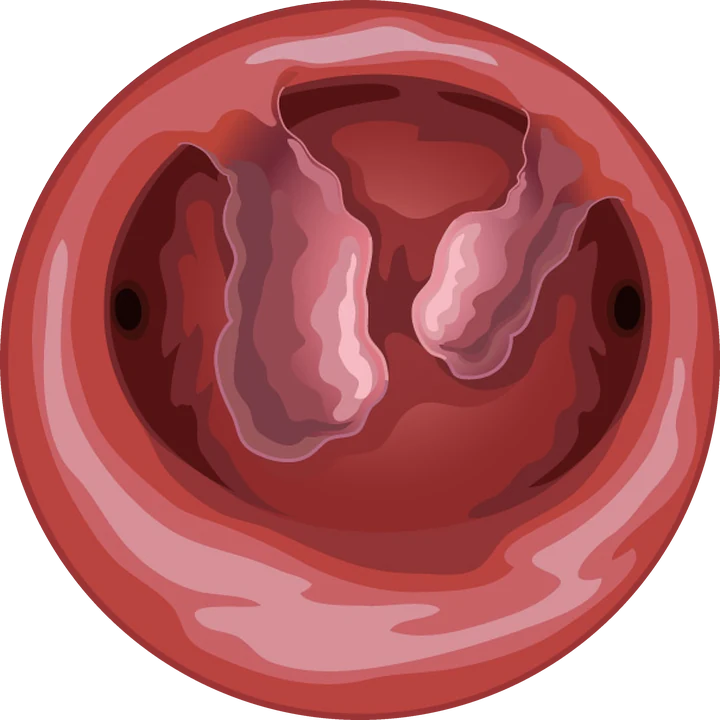
Bleeding between periods
Always rule out pregnancy first.
Read the pageChronic endometritis
Often symptom-free; sometimes spotting, discharge or pelvic discomfort.
Read the pageIs hysteroscopy painful?
Most common sensation: brief, period-like cramps.
Read the pageOperative hysteroscopy
Lesions treated through the natural route
Endometrial polyp
A common lesion, benign in the vast majority of cases, mainly after 40.
Read the pageSubmucosal fibroid
A benign tumour of the uterine muscle, growing towards the cavity.
Read the page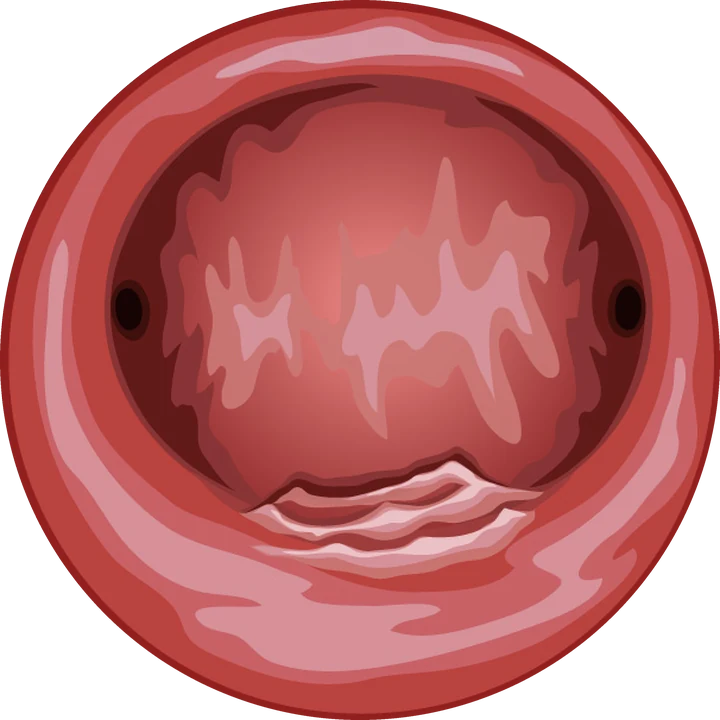
Caesarean niche
A defect in the caesarean scar, common on ultrasound, causing symptoms in a minority of women.
Read the pageIntrauterine adhesions
Adhesions inside the uterus, most often after a curettage, especially following a pregnancy.
Read the page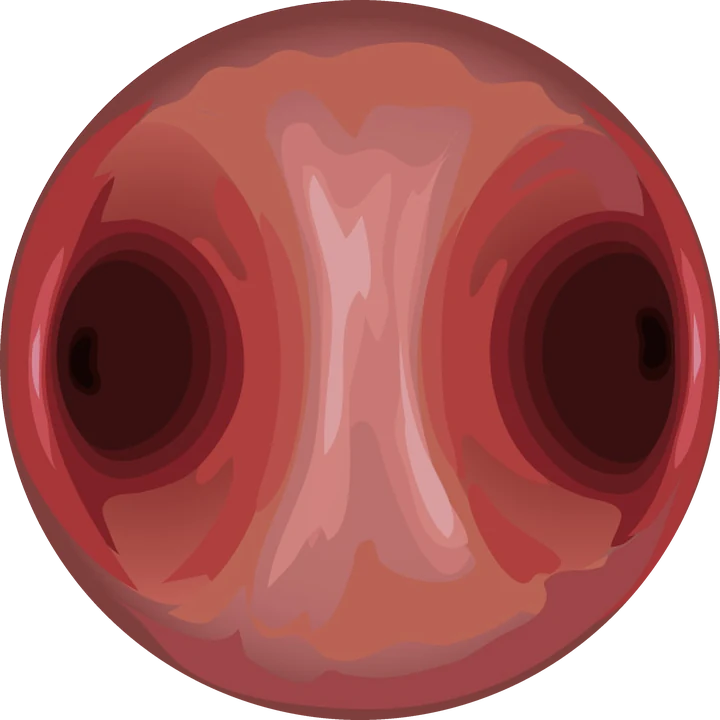
Septum and malformations
Malformations present from birth, classified by the ESHRE/ESGE consensus.
Read the pageEndometrial ablation
Treatment for heavy periods without a structural cause, after medical treatment fails or is declined.
Read the page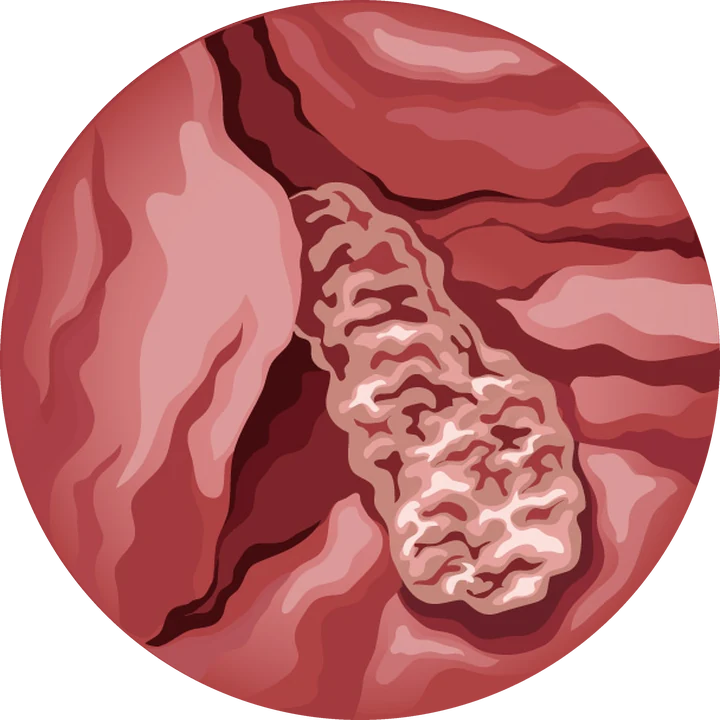
Retained tissue
Pregnancy tissue left in the uterus after a miscarriage, a termination or a birth.
Read the page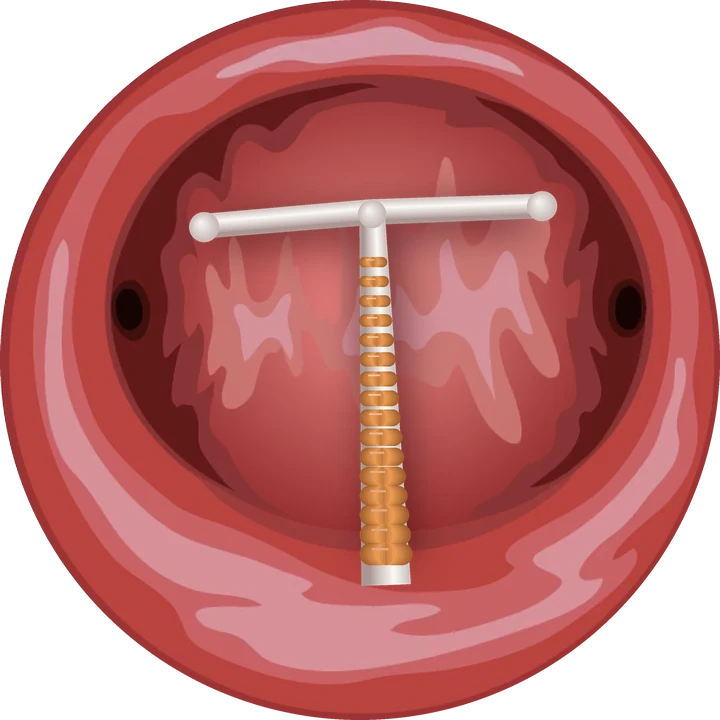
IUD with missing threads
Threads that cannot be seen do not mean the IUD is lost: it is usually inside the uterus.
Read the pageThe examination
What is a hysteroscopy?
Key points
- A very fine camera, passed through the natural route, shows the inside of the uterus directly.
- In the consulting room, without anaesthesia, in 5 to 10 minutes. You can watch on the screen.
- It confirms what ultrasound suggests, allows a targeted biopsy and often treatment at the same time.
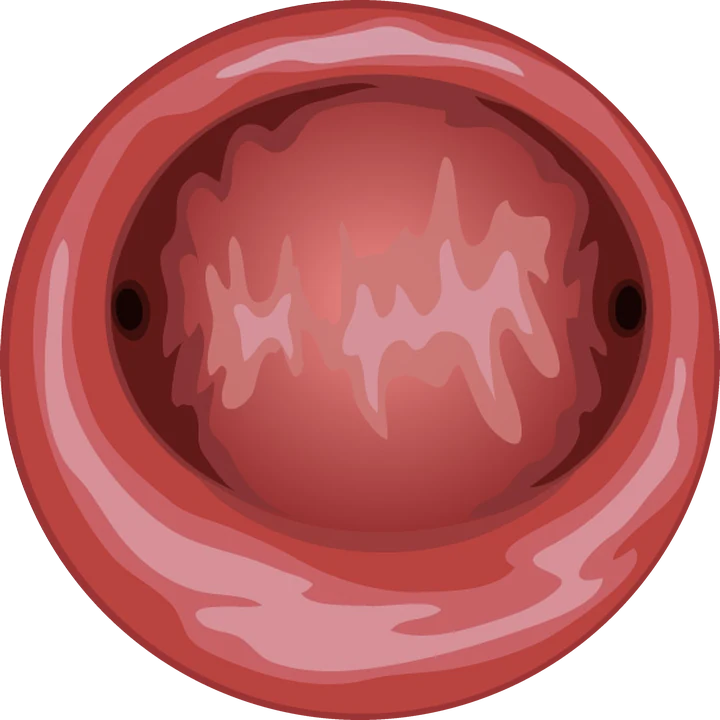
A speculum is placed for a few seconds to locate the cervix, then removed as soon as the telescope is in place; no clamp is placed on the cervix. The cavity is gently opened with saline, which makes it far better tolerated than older techniques. The cervix, isthmus, endometrium and both tubal openings are examined.
When a lesion needs removing, operative hysteroscopy treats it through the same natural route, without a scar, as a day case.
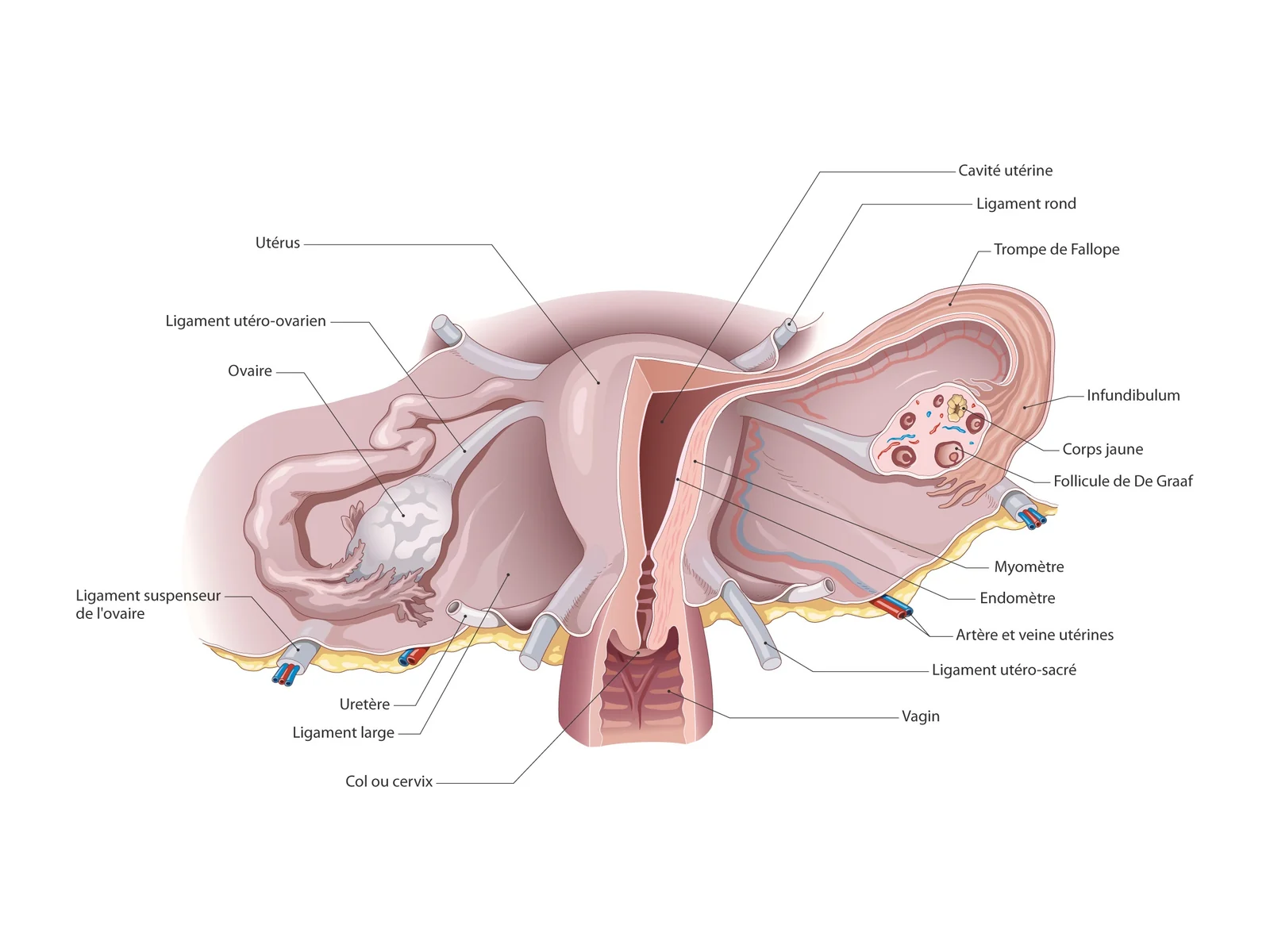
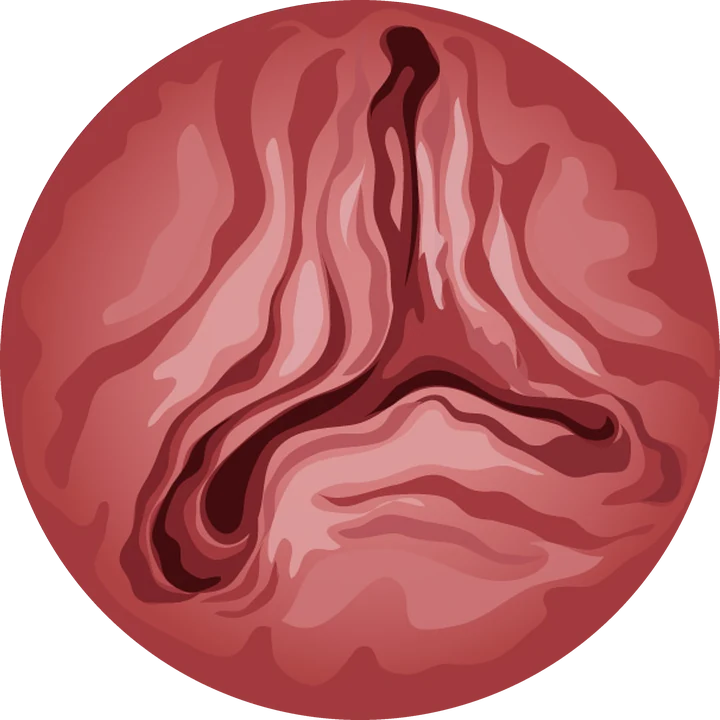
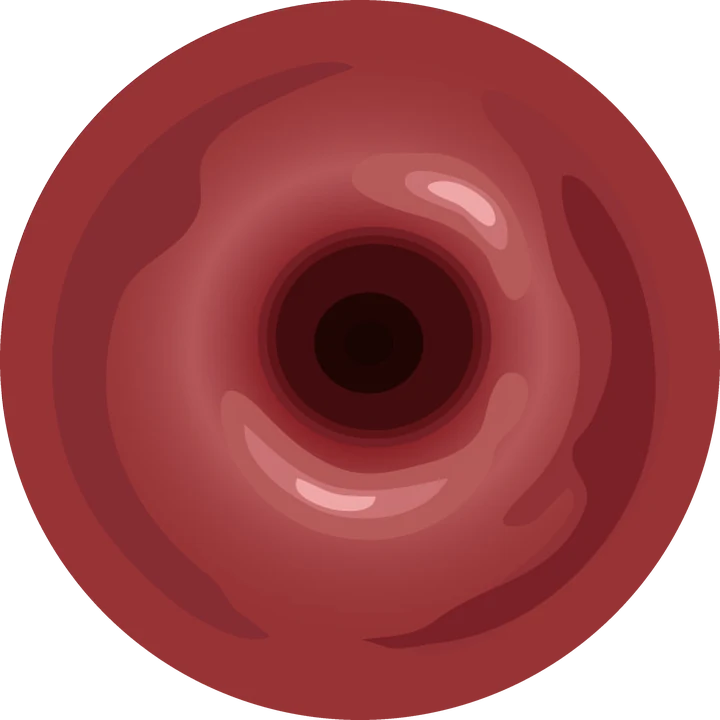
What the hysteroscope sees
Explore the uterine cavity
Choose a finding: it appears in a section of the uterus, and as it looks on screen during the examination.
Guidance
Why have you been offered a hysteroscopy?
Heavy periods, bleeding between periods
Hysteroscopy looks for a cause in the cavity: polyp, submucosal fibroid, endometrial hyperplasia. It allows a targeted biopsy and often treatment at the same time.
- 1Pelvic ultrasoundMeasures the endometrium, looks for a lesion.
- 2Hysteroscopy in clinicVisual confirmation and targeted biopsy.
- 3Tailored treatmentResection in clinic or theatre, or medical treatment.
Bleeding after the menopause
Any bleeding after the menopause must be investigated. The cause is usually benign, but endometrial cancer must be ruled out: hysteroscopy with targeted biopsy gives the answer.
- 1UltrasoundEndometrial thickness: 4 mm or less is reassuring.
- 2Hysteroscopy and biopsySample taken exactly from the suspicious area.
- 3Result within a weekExplained in clinic, with next steps.
Fertility work-up, before IVF or after failure
A normal cavity is a prerequisite for implantation. Hysteroscopy is offered selectively: abnormal image, implantation failure, previous curettage or caesarean.
- 1Coordination with your fertility clinicTiming chosen to fit the protocol.
- 2Diagnostic hysteroscopyCavity, tubal openings, cervical canal.
- 3Correction if neededPolypectomy, adhesiolysis, isthmoplasty.
Recurrent miscarriage
Hysteroscopy with 3D ultrasound looks for a uterine malformation or adhesions. Septum resection is decided case by case.
- 1Full work-upFollowing the ESHRE 2022 guideline.
- 23D ultrasound and hysteroscopyESHRE/ESGE classification of anomalies.
- 3Shared decisionExpected benefits, alternatives, timing.
IUD threads not visible
When the threads can no longer be seen and ultrasound confirms the IUD is in the cavity, it is removed under direct vision in the consulting room, using forceps passed through the hysteroscope.
- 1UltrasoundLocates the device.
- 2Hysteroscopic removalIn clinic, within minutes.
- 3New contraceptionCan be fitted at the same visit.
What happens
How does the examination in clinic work?
- Before · day 6 to 12 of the cycleNo heavy preparationNo fasting. A simple painkiller an hour before if you wish. Pregnancy test if in doubt.
- Positioning · 2 minSpeculum, removed quicklyGynaecological position. The speculum helps locate the cervix and is removed as soon as the telescope is inserted. The screen faces you if you want to watch.
- Examination · 5 to 10 minExploring the cavityThe telescope passes through the cervix into the cavity, opened with saline. Biopsy or minor procedure if needed.
- Afterwards · immediateResult explained and handed overReport with images. Back to your activities the same day; light spotting possible for 24 to 48 h.
When should you book?
Enter the first day of your last period: the best window appears for a 28-day cycle.
After the menopause or on continuous contraception, the examination can be done at any time.
PeriodBest windowOvulation
Comparison
Diagnostic or operative hysteroscopy?
| Criterion | Diagnostic · clinic | Operative · hospital |
|---|---|---|
| Aim | See, biopsy, minor procedures | Remove or correct a lesion |
| Procedure time | 5–10 min | 15–45 min |
| Anaesthesia | None | General or regional |
| Fasting | No | Yes, as advised by the anaesthetist |
| Timing in cycle | D6–D12 | First half of the cycle |
| Instrument | 2.9 mm telescope, 4–5 mm sheath | Bipolar resectoscope or morcellator |
| Hospital stay | No | Day case, home the same day |
| Back to activity | Immediate | 24–48 h |
| Cover (France) | Reimbursed CCAM procedure | Reimbursed CCAM procedure |
Safety
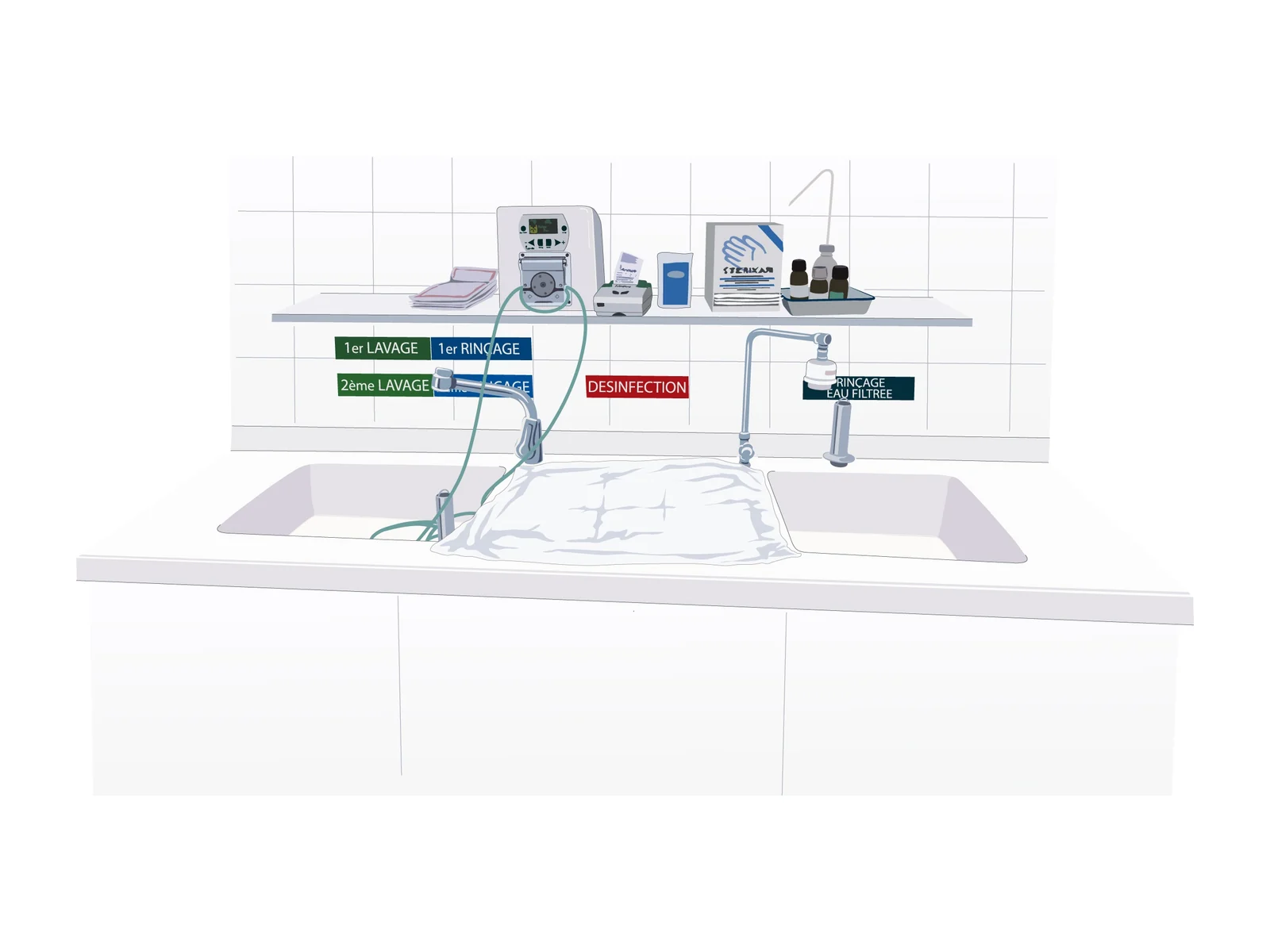
Hygiene and traceability
Endoscopes that cannot be autoclaved are reprocessed under a written protocol, in line with French ministry instructions and SF2H guidelines. Each step is recorded and linked to your file.
- Pre-cleaningImmediately after the examination
- Double washDetergent, channel brushing
- DisinfectionValidated product and contact time
- Final rinseFiltered water, drying, protected storage
- Specialty
- Obstetrics-gynaecology, gynaecological surgery
- Experience
- 25 years of experience
- Accreditation
- Accredited by the French National Authority for Health (HAS)
- RPPS
- 10003957809
Your doctor
Dr Olivier Kadoch
Obstetrician-gynaecologist in Paris for 25 years, with a gynaecological surgery practice. Accredited by the HAS. Regular practice of diagnostic and operative hysteroscopy, endometriosis surgery and gynaecological oncology. Consultations in French and English.
- TrainingResidency in obstetrics and gynaecology, Paris
- AP-HPFormer Chief Resident, Paris University Hospitals (Rothschild, Tenon)
- FacultyFormer anatomy assistant, Saint-Antoine Faculty of Medicine, Paris
- DiplomaInfertility and assisted reproduction (university diploma)
- DiplomaFetal medicine (university diploma)
- DiplomaObstetric and gynaecological ultrasound (inter-university diploma)
Clinics and hospitals
Where to have a hysteroscopy in Paris
Paris 5th · Centre de la Femme
Centre de la Femme, 11 rue Lacépède, 75005 ParisPlace Monge metro (line 7) · near the Jardin des PlantesClinique de la Muette46-48 rue Nicolo, Paris 16th
Hôpital privé Geoffroy Saint-Hilaire59 rue Geoffroy Saint-Hilaire, 75005 Paris
Clinique Sainte-Thérèse7 rue Gustave Doré, 75017 Paris
Hôpital Ambroise Paré48 ter bd Victor Hugo, Neuilly
Fees and payment
- Status
- Contracted with French national health insurance, sector 2 (free fees). Not part of the OPTAM scheme.
- What this means
- Fees may exceed the national health insurance reimbursement base, with moderation. Supplementary health insurance often covers part or all of the difference.
- Before any procedure
- The amount is given when booking.
- Third-party payment
- Applied for beneficiaries of CSS, AME and for work accident or occupational disease cases. No extra fees are charged to CSS and AME beneficiaries.
- Payment methods
- Card, cheque, cash.
- Reference rates
- Available in the ameli.fr health directory.
Frequently asked questions
Your questions about hysteroscopy
Is diagnostic hysteroscopy painful?
With a speculum removed as soon as the telescope is in place, no clamp on the cervix and a 2.9 mm telescope, most women feel discomfort similar to period cramps, which stops when the examination ends. No anaesthesia is needed.
When in my cycle should I have a hysteroscopy?
In the first half of the cycle, after your period ends and before ovulation, roughly between day 6 and day 12. After the menopause or on continuous contraception, it can be done at any time.
How long does a diagnostic hysteroscopy take?
The examination itself takes 5 to 10 minutes. Including the discussion and report, allow about 30 minutes.
Can a polyp be removed during diagnostic hysteroscopy?
Yes, a small polyp can often be removed at the same time in the consulting room with micro-instruments passed through the hysteroscope. Larger lesions are treated in theatre as a day case.
Do I need to fast?
No for diagnostic hysteroscopy in clinic. Yes for operative hysteroscopy under anaesthesia, as advised at the anaesthetic consultation.
Is hysteroscopy covered by insurance?
In France, both diagnostic and operative hysteroscopy are listed CCAM procedures reimbursed by national health insurance. Dr Kadoch is contracted in sector 2 with free fees (not OPTAM), so extra fees may apply. The amount is given when booking. Payment by card, cheque or cash. International patients should check with their insurer.
What is recovery like after operative hysteroscopy?
Home the same day, light bleeding for a few days, back to activity within 24 to 48 hours. Baths, swimming and intercourse are best avoided for about a week depending on the procedure.
Does Dr Kadoch consult in English?
Yes. Consultations and hysteroscopies can be conducted in English.
Where can I have a hysteroscopy in Paris?
At 107 avenue Victor Hugo (Paris 16th) or at the Centre de la Femme, 11 rue Lacépède (Paris 5th). Operative hysteroscopies are done as day cases at Clinique de la Muette, Hôpital privé Geoffroy Saint-Hilaire, Clinique Sainte-Thérèse and Hôpital Ambroise Paré.
Guidelines
What this information is based on
CNGOF · 2013French clinical practice guidelines: hysteroscopyIndications, technique, preventing complications.
RCOG · Green-top No. 59Best practice in outpatient hysteroscopyOffice hysteroscopy, vaginoscopy, analgesia.
Cochrane · 2017Pain relief for outpatient hysteroscopySystematic review of pain and its prevention.
FIGO · 2018 and 2023PALM-COEIN; endometrial cancer stagingCauses of bleeding; cancer classification.
ESHRE / ESGE · 2013Classification of congenital uterine anomaliesSeptate, unicornuate, bicornuate uterus.
ESHRE · 2022 and 2023Recurrent pregnancy loss; implantation failureThe role of hysteroscopy in fertility care.
AAGL / ESGE · 2017Practice guidelines on intrauterine adhesionsDiagnosis and treatment of adhesions.
ESGO / ESTRO / ESP · 2021Management of endometrial carcinomaDiagnosis, surgery, adjuvant treatment.
DGOS / DGS · 2016French instruction No. 2016-220, 4 July 2016Reprocessing of heat-sensitive flexible endoscopes.
Written and reviewed by Dr Olivier Kadoch · 18 October 2026
A 10-minute examination for a clear answer.
Book online, with appointments timed to your cycle, in Paris 16th or 5th.