Key points
- Periods are heavy when they affect daily life, whatever the measured volume.
- The work-up combines a blood test (iron, blood count) and a pelvic ultrasound.
- Hysteroscopy is indicated if ultrasound suggests a polyp or submucosal fibroid, or is inconclusive.
- Simple treatments exist before any surgery: medication, hormonal IUD.
Contents
When are periods considered heavy?
International guidelines use a simple definition: periods are too heavy when they interfere with physical, social or working life. Pointers include changing protection every hour, double protection, getting up at night, clots, periods lasting more than seven days, and tiredness or breathlessness from anaemia.
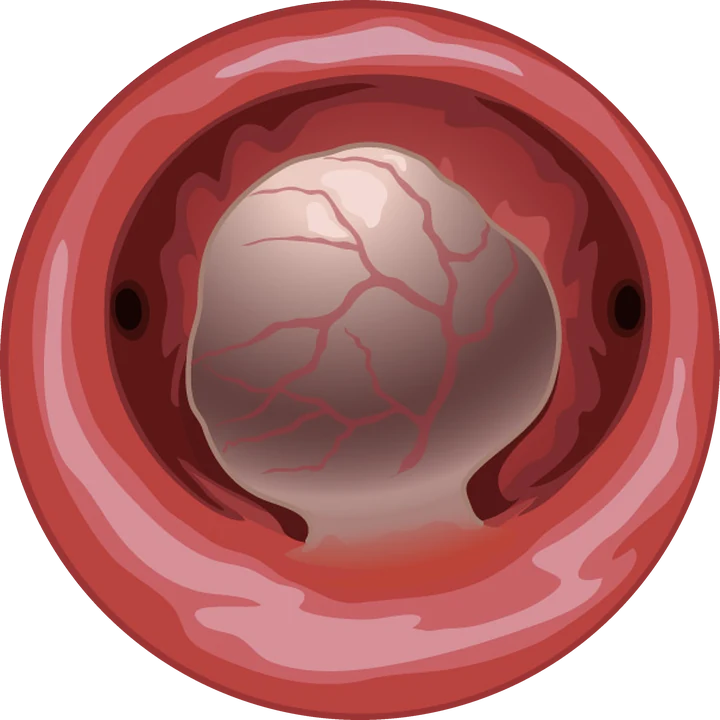
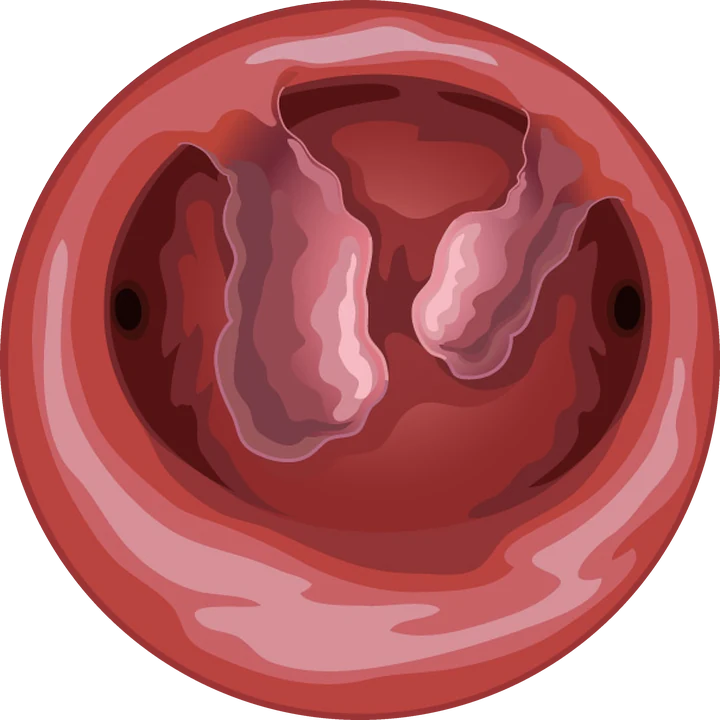
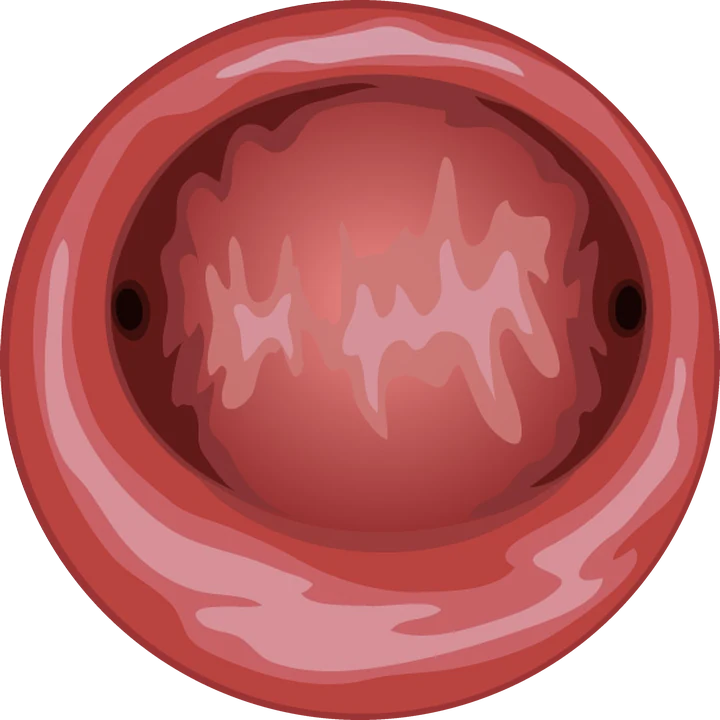
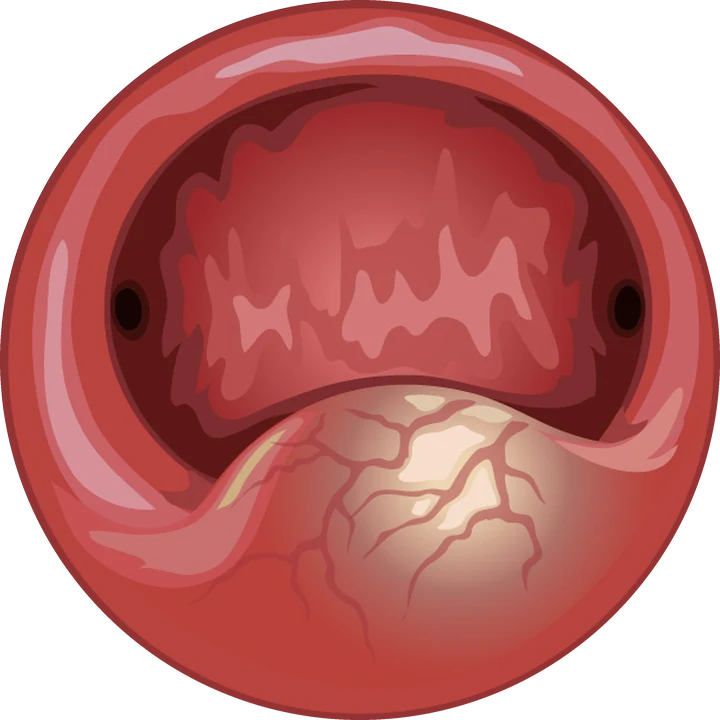
Hysteroscopic view · illustration
What are the causes?
| Cause | What to know |
|---|---|
| Submucosal fibroid | Even a small one enlarges the bleeding surface; removed by hysteroscopy if accessible |
| Endometrial polyp | Common, often also causes bleeding between periods |
| Adenomyosis | Endometrium growing into the muscle; heavy, painful periods |
| Hormonal cause | Cycles without ovulation, especially in teenagers and before the menopause |
| Bleeding disorder | Consider if periods have been heavy since they started |
| Endometrial lesion | Hyperplasia or, rarely, cancer: to be looked for after 45 or with risk factors |
The FIGO PALM-COEIN classification organises these causes and guides the work-up.
What work-up?
A blood test looks for anaemia and iron deficiency. Pelvic ultrasound, ideally transvaginal, looks for a fibroid, polyp or adenomyosis. Diagnostic hysteroscopy is offered when ultrasound suggests a cavity lesion or is inconclusive, with an endometrial biopsy when there are risk factors. The UK NICE guideline makes it the first-line test when a polyp, submucosal fibroid or endometrial abnormality is suspected.
Which treatments?
- No cavity lesion: tranexamic acid during periods, anti-inflammatories, a levonorgestrel hormonal IUD, very effective according to the Cochrane review, or the pill;
- Polyp: hysteroscopic removal, often in the consulting room;
- Submucosal fibroid: day-case hysteroscopic resection;
- No wish for pregnancy, after failed treatment: endometrial ablation, which destroys the lining and greatly reduces periods.
Iron is replaced if low. The choice depends on your age, plans for pregnancy and preferences.
When to seek care quickly
Seek care promptly for very heavy bleeding with faintness, marked tiredness or breathlessness, bleeding in pregnancy, or bleeding after the menopause.
Frequently asked questions
Do heavy periods need a hysteroscopy?
Not always. It is offered if ultrasound suggests a polyp or submucosal fibroid, if it is inconclusive, or if a targeted biopsy is needed.
Can a small fibroid cause heavy periods?
Yes, if it bulges into the cavity. Its position matters more than its size.
Can it be treated without surgery?
Often, yes: tranexamic acid, a hormonal IUD or hormonal treatment. Surgery is kept for cavity lesions or when treatment fails.
References
Written and reviewed by Dr Olivier Kadoch · 18 October 2026
This page is for information; it does not replace a consultation. Each situation is discussed individually.